 English▼



- Battery Manufacturing Equipment
- Battery Laboratory Assembly Equipment
- Battery Pack Assembly Equipment
- Sodium Ion Battery Manufacturing Equipment
- Solid State Cell Production Line
- Dry Electrode Assembly Equipment
- Supercapacitor Assembly Equipment
- Perovskite Solar Cell Lab Equipment
- Li ion Battery Materials
- Ni / Al / Cu Metal Foam
- Customized Electrode
- Cathode Active Materials
- Anode Active Materials
- Coin Cell Parts
- Lithium Chip
- Cylindrical Cell Parts
- Battery Current Collectors
- Battery Conductive Materials
- Electrolyte
- Battery Binder
- Separator and Tape
- Aluminum Laminate Film
- Nickel Strip/Foil
- Battery Tabs
- Graphene Materials
- Cu / Al / Ni / Stainless steel Foil
- Battery Laboratory Equipment
- Li ion Battery Tester
- Battery Safety Tester
- Material Characterization Tester
- Rolling Press Machine
- Electrode Mixer
- Coin Cell Crimping Machine
- Coin Cell Electrode Disc Punching
- Pouch Cell Sealing Machine
- Pouch Cell Stacking Machine
- Pouch Cell Forming Machine
- Pouch Cell Ultrasonic Welder
- Pouch Cell Electrode Die Cutter
- Cylinder Cell Sealing Machine
- Cylinder Cell Grooving Machine
- Electrode Slitting Machine
- Cylinder Cell Winding Machine
- Cylinder Cell Spot Welding Machine
- Electrolyte Filling
- Type Test Cell
- Other Battery Making Machine
- NMP Solvent Treatment System
- Vacuum Glove Box
- Coating Machine
- Lab Furnaces
- Ball Mill
- Laboratory Press
- Laboratory Equipment
- Press Equipment
blog
Battery Making Machine
Overview
A battery making machine refers to a series of specialized equipment designed for the automated production and assembly of various types of batteries, including lithium-ion, solid-state, nickel-metal hydride, and lead-acid batteries. With the rapid growth of electric vehicles, renewable energy storage systems, and portable electronics, the demand for high-performance batteries has significantly increased. As a result, battery manufacturing machinery has evolved into highly sophisticated, automated systems capable of delivering high precision, efficiency, and consistency.
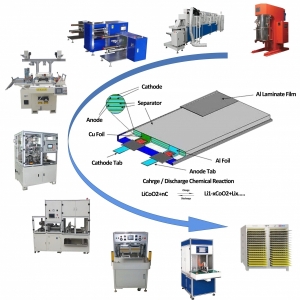
Modern battery making machines integrate mechanical engineering, automation control, material science, and digital monitoring technologies. These machines are typically organized into complete production lines, covering electrode preparation, cell assembly, electrolyte filling, formation, and final testing. Their performance directly impacts battery quality, safety, and production cost.
Key Features
Battery making machines are characterized by several advanced features that distinguish them from conventional manufacturing equipment:
1. High Precision and Automation
These machines utilize servo motors, robotic arms, and vision inspection systems to achieve micron-level accuracy in coating, stacking, and assembly processes. Automation minimizes human error and ensures consistent product quality.
2. Modular Design
Equipment is often designed in modular units, allowing flexible configuration based on battery type and production capacity. Manufacturers can easily upgrade or expand their production lines.
3. Digital Control and Monitoring
Integration with PLC (Programmable Logic Controller) and MES (Manufacturing Execution System) enables real-time monitoring, data collection, and process optimization. This supports intelligent manufacturing and Industry 4.0 standards.
4. High Throughput and Efficiency
Advanced machines are capable of continuous operation with high production speeds, meeting the large-scale demands of modern battery industries.
5. Safety and Environmental Control
Battery production involves sensitive materials and processes. Machines are equipped with safety systems, dust control, and inert atmosphere chambers to prevent contamination and ensure operator safety.
Manufacturing Process
The battery production process involves multiple stages, each supported by specialized machines:
1. Electrode Preparation
Active materials are mixed into slurry and coated onto metal foils (typically aluminum or copper). Coating machines ensure uniform thickness, by drying and calendaring processes to achieve desired density and surface properties.
2. Slitting and Cutting
Coated electrodes are precisely slit into required widths and cut into specific shapes for further assembly.
3. Cell Assembly
Depending on battery design, electrodes are stacked or wound using stacking machines or winding machines. Separators are inserted between electrodes to prevent short circuits.
4. Electrolyte Filling
Cells are filled with electrolyte under controlled environments, often in vacuum or dry rooms to avoid moisture contamination.
5. Sealing and Formation
Cells are sealed and undergo formation cycling, where they are charged and discharged to activate electrochemical properties and stabilize performance.
6. Testing and Packaging
Final testing ensures quality standards, including capacity, internal resistance, and safety performance, before packaging and shipment.
Battery making machines are essential in various industries that rely on energy storage technologies:
1. Electric Vehicles (EVs)
Large-scale battery production lines support the manufacturing of high-capacity lithium-ion batteries used in EVs and hybrid vehicles.
2. Consumer Electronics
Smartphones, laptops, and wearable devices require compact and reliable batteries produced with high precision.
3. Energy Storage Systems (ESS)
Renewable energy integration relies on large battery systems for energy storage, requiring efficient and scalable manufacturing equipment.
4. Industrial and Backup Power
Batteries used in telecommunications, data centers, and emergency power systems are produced using specialized machinery.
Advantages
The adoption of advanced battery making machines offers several significant benefits:
1. Improved Product Quality
Precision manufacturing ensures uniformity, reducing defects and enhancing battery performance and lifespan.
2. Cost Efficiency
Automation reduces labor costs and material waste, improving overall production efficiency.
3. Scalability
Manufacturers can scale production capacity to meet growing market demands without compromising quality.
4. Enhanced Safety
Automated systems reduce human exposure to hazardous materials and ensure controlled production environments.
5. Process Consistency
Repeatable and controlled processes lead to consistent output, which is critical for large-scale battery deployment.
Conclusion
Battery making machines are the backbone of modern energy storage manufacturing, enabling the large-scale production of high-performance batteries that power today’s technology-driven world. With continuous advancements in automation, digitalization, and materials processing, these machines are becoming increasingly intelligent and efficient. As global demand for clean energy and electrification continues to rise, the role of battery manufacturing equipment will become even more critical. Future developments will likely focus on higher precision, faster production speeds, and compatibility with next-generation battery technologies, ensuring sustainable and innovative energy solutions for years to come.
- 2026-05-15
Xiamen Tmax Battery Equipments Limited was set up as a manufacturer in 1995, dealing with lithium battery equipments, technology, etc. We have total manufacturing facilities of around 200000 square foot and more than 230 staff. Owning a group of experie-nced engineers and staffs, we can bring you not only reliable products and technology, but also excellent services and real value you will expect and enjoy.
Overview
A battery making machine refers to a series of specialized equipment designed for the automated production and assembly of various types of batteries, including lithium-ion, solid-state, nickel-metal hydride, and lead-acid batteries. With the rapid growth of electric vehicles, renewable energy storage systems, and portable electronics, the demand for high-performance batteries has significantly increased. As a result, battery manufacturing machinery has evolved into highly sophisticated, automated systems capable of delivering high precision, efficiency, and consistency.
Modern battery making machines integrate mechanical engineering, automation control, material science, and digital monitoring technologies. These machines are typically organized into complete production lines, covering electrode preparation, cell assembly, electrolyte filling, formation, and final testing. Their performance directly impacts battery quality, safety, and production cost.
Key Features
Battery making machines are characterized by several advanced features that distinguish them from conventional manufacturing equipment:
1. High Precision and Automation
These machines utilize servo motors, robotic arms, and vision inspection systems to achieve micron-level accuracy in coating, stacking, and assembly processes. Automation minimizes human error and ensures consistent product quality.
2. Modular Design
Equipment is often designed in modular units, allowing flexible configuration based on battery type and production capacity. Manufacturers can easily upgrade or expand their production lines.
3. Digital Control and Monitoring
Integration with PLC (Programmable Logic Controller) and MES (Manufacturing Execution System) enables real-time monitoring, data collection, and process optimization. This supports intelligent manufacturing and Industry 4.0 standards.
4. High Throughput and Efficiency
Advanced machines are capable of continuous operation with high production speeds, meeting the large-scale demands of modern battery industries.
5. Safety and Environmental Control
Battery production involves sensitive materials and processes. Machines are equipped with safety systems, dust control, and inert atmosphere chambers to prevent contamination and ensure operator safety.
Manufacturing Process
The battery production process involves multiple stages, each supported by specialized machines:
1. Electrode Preparation
Active materials are mixed into slurry and coated onto metal foils (typically aluminum or copper). Coating machines ensure uniform thickness, by drying and calendaring processes to achieve desired density and surface properties.
2. Slitting and Cutting
Coated electrodes are precisely slit into required widths and cut into specific shapes for further assembly.
3. Cell Assembly
Depending on battery design, electrodes are stacked or wound using stacking machines or winding machines. Separators are inserted between electrodes to prevent short circuits.
4. Electrolyte Filling
Cells are filled with electrolyte under controlled environments, often in vacuum or dry rooms to avoid moisture contamination.
5. Sealing and Formation
Cells are sealed and undergo formation cycling, where they are charged and discharged to activate electrochemical properties and stabilize performance.
6. Testing and Packaging
Final testing ensures quality standards, including capacity, internal resistance, and safety performance, before packaging and shipment.
Battery making machines are essential in various industries that rely on energy storage technologies:
1. Electric Vehicles (EVs)
Large-scale battery production lines support the manufacturing of high-capacity lithium-ion batteries used in EVs and hybrid vehicles.
2. Consumer Electronics
Smartphones, laptops, and wearable devices require compact and reliable batteries produced with high precision.
3. Energy Storage Systems (ESS)
Renewable energy integration relies on large battery systems for energy storage, requiring efficient and scalable manufacturing equipment.
4. Industrial and Backup Power
Batteries used in telecommunications, data centers, and emergency power systems are produced using specialized machinery.
Advantages
The adoption of advanced battery making machines offers several significant benefits:
1. Improved Product Quality
Precision manufacturing ensures uniformity, reducing defects and enhancing battery performance and lifespan.
2. Cost Efficiency
Automation reduces labor costs and material waste, improving overall production efficiency.
3. Scalability
Manufacturers can scale production capacity to meet growing market demands without compromising quality.
4. Enhanced Safety
Automated systems reduce human exposure to hazardous materials and ensure controlled production environments.
5. Process Consistency
Repeatable and controlled processes lead to consistent output, which is critical for large-scale battery deployment.
Conclusion
Battery making machines are the backbone of modern energy storage manufacturing, enabling the large-scale production of high-performance batteries that power today’s technology-driven world. With continuous advancements in automation, digitalization, and materials processing, these machines are becoming increasingly intelligent and efficient. As global demand for clean energy and electrification continues to rise, the role of battery manufacturing equipment will become even more critical. Future developments will likely focus on higher precision, faster production speeds, and compatibility with next-generation battery technologies, ensuring sustainable and innovative energy solutions for years to come.
HOT PRODUCTS
-
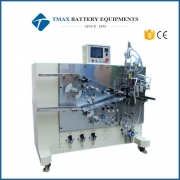 Automatic Cylinderical Battery Electrode Winding Machine
Read More
Automatic Cylinderical Battery Electrode Winding Machine
Read More
-
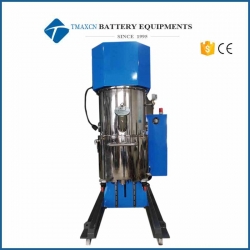 100-200L Double Planetary Vacuum Mixing Machine for Lithium Battery Slurry
Read More
100-200L Double Planetary Vacuum Mixing Machine for Lithium Battery Slurry
Read More
-
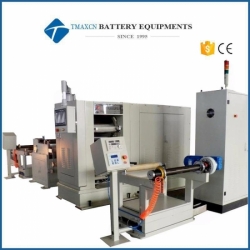 Large Heating Roller Press Machine Calender For Li ion Battery Production Line
Read More
Large Heating Roller Press Machine Calender For Li ion Battery Production Line
Read More
-
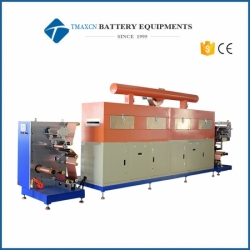 Large 3 Rollers Battery Electrode Film Intermittent Coating Machine for Pilot Production Line
Read More
Large 3 Rollers Battery Electrode Film Intermittent Coating Machine for Pilot Production Line
Read More
-
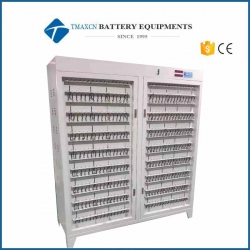 512 Channel 5V3A Battery Grading Machine/Battery Charge Discharge Machine Tester
Read More
512 Channel 5V3A Battery Grading Machine/Battery Charge Discharge Machine Tester
Read More
 David@battery-equipments.com

