 English▼



- Battery Manufacturing Equipment
- Battery Laboratory Assembly Equipment
- Battery Pack Assembly Equipment
- Sodium Ion Battery Manufacturing Equipment
- Solid State Cell Production Line
- Dry Electrode Assembly Equipment
- Supercapacitor Assembly Equipment
- Perovskite Solar Cell Lab Equipment
- Li ion Battery Materials
- Ni / Al / Cu Metal Foam
- Customized Electrode
- Cathode Active Materials
- Anode Active Materials
- Coin Cell Parts
- Lithium Chip
- Cylindrical Cell Parts
- Battery Current Collectors
- Battery Conductive Materials
- Electrolyte
- Battery Binder
- Separator and Tape
- Aluminum Laminate Film
- Nickel Strip/Foil
- Battery Tabs
- Graphene Materials
- Cu / Al / Ni / Stainless steel Foil
- Battery Laboratory Equipment
- Li ion Battery Tester
- Battery Safety Tester
- Material Characterization Tester
- Rolling Press Machine
- Electrode Mixer
- Coin Cell Crimping Machine
- Coin Cell Electrode Disc Punching
- Pouch Cell Sealing Machine
- Pouch Cell Stacking Machine
- Pouch Cell Forming Machine
- Pouch Cell Ultrasonic Welder
- Pouch Cell Electrode Die Cutter
- Cylinder Cell Sealing Machine
- Cylinder Cell Grooving Machine
- Electrode Slitting Machine
- Cylinder Cell Winding Machine
- Cylinder Cell Spot Welding Machine
- Electrolyte Filling
- Type Test Cell
- Other Battery Making Machine
- NMP Solvent Treatment System
- Vacuum Glove Box
- Coating Machine
- Lab Furnaces
- Ball Mill
- Laboratory Press
- Laboratory Equipment
- Press Equipment
blog
Battery Set Up
Battery setup refers to the process of configuring, installing, and commissioning battery systems for various applications such as electric vehicles (EVs), renewable energy storage, and consumer electronics. Proper battery setup ensures optimal performance, safety, and longevity of the battery system. Below is a detailed overview of battery setup, including components, processes, best practices, and considerations.
●1. Overview of Battery Setup
Battery setup involves integrating batteries into a system, ensuring they are correctly installed, connected, and configured for their intended use. This process includes selecting the right battery type, designing the electrical architecture, and implementing safety measures.
Key aspects of battery setup:
Matching the battery specifications to the application requirements.
Ensuring proper installation, wiring, and communication between components.
Implementing monitoring and protection systems for safe operation.
●2. Key Components in Battery Setup
A. Battery Modules
Individual battery cells grouped together to form modules.
Modules can be prismatic, pouch, or cylindrical, depending on the application.
B. Battery Management System (BMS)
Monitors and controls the battery's state of charge (SOC), state of health (SOH), temperature, voltage, and current.
Protects the battery from overcharging, deep discharging, overheating, and short circuits.
C. Connectors and Wiring
Highquality connectors and cables ensure reliable electrical connections between battery modules, BMS, and other system components.
D. Enclosures and Mounting Systems
Protective enclosures shield the battery from environmental factors such as dust, moisture, and vibration.
Mounting systems secure the battery in place, preventing movement during operation.
E. Cooling Systems
Thermal management systems (e.g., liquid cooling, air cooling) regulate battery temperature to maintain performance and safety.
●3. Battery Setup Process
A. Planning and Design
Requirement Analysis: Determine the power, energy, and voltage requirements of the application.
Battery Selection: Choose the appropriate battery chemistry (e.g., lithiumion, leadacid) and format (e.g., prismatic, pouch).
System Architecture: Design the electrical layout, including the number of cells, modules, and series/parallel connections.
B. Installation
Cell Assembly: Connect individual cells into modules and modules into packs.
Wiring: Install highvoltage cables and lowvoltage signal wires according to the design specifications.
Mounting: Secure the battery pack in its designated location using mounting brackets or trays.
C. Configuration
BMS Setup: Program the BMS with parameters such as maximum voltage, minimum voltage, current limits, and temperature thresholds.
Communication: Establish communication between the BMS, control unit, and other system components (e.g., EV controller, inverter).
D. Testing and Commissioning
Initial Check: Verify all connections, insulation, and mechanical integrity.
Functional Testing: Test the battery system under different operating conditions to ensure it meets performance and safety requirements.
Calibration: Calibrate the BMS sensors for accurate monitoring of SOC and SOH.
A. Safety First
Follow manufacturer guidelines for handling highvoltage systems.
Use personal protective equipment (PPE) such as gloves, goggles, and insulated tools.
Implement safety features like fuses, circuit breakers, and thermal cutoffs.
B. Proper Ventilation
Ensure adequate airflow around the battery to prevent overheating.
Avoid installing batteries in enclosed spaces without ventilation.
C. Temperature Control
Operate the battery within its recommended temperature range.
Use active cooling systems (e.g., liquid cooling) for highpower applications.
D. Regular Maintenance
Inspect connections, terminals, and enclosure seals periodically.
Monitor battery performance using the BMS and address any issues promptly.
E. Recycling Plan
Develop a plan for recycling or disposing of the battery at the end of its life cycle.
●5. Common Challenges in Battery Setup
A. Compatibility Issues
Mismatched components (e.g., BMS, charger, inverter) can lead to poor performance or failure.
B. Thermal Management
Inadequate cooling can cause overheating, reducing battery life and increasing the risk of thermal runaway.
C. Electrical Interference
Poorly shielded wiring can cause electromagnetic interference (EMI), affecting system performance.
D. OverSizing or UnderSizing
Incorrectly sized batteries may not meet the application's power or energy requirements.
●6. Applications of Battery Setup
A. Electric Vehicles (EVs)
Highpower battery packs integrated with advanced BMS and cooling systems.
Focus on lightweight designs and long cycle life.
B. Renewable Energy Storage
Largescale battery systems for storing solar or wind energy.
Emphasis on energy density, efficiency, and costeffectiveness.
C. Consumer Electronics
Compact battery setups for portable devices such as smartphones, laptops, and wearables.
Prioritize size, weight, and safety.
●7. Importance of Proper Battery Setup
Proper battery setup is critical for achieving optimal performance, safety, and longevity. A welldesigned and carefully installed battery system can:
Maximize energy efficiency and reduce operational costs.
Enhance reliability and minimize downtime.
Ensure compliance with safety standards and regulations.
●8. Conclusion
Battery setup is a complex but essential process that requires careful planning, execution, and maintenance. By following best practices and addressing common challenges, you can ensure your battery system operates safely and efficiently for its intended application.
- 2025-08-12
Xiamen Tmax Battery Equipments Limited was set up as a manufacturer in 1995, dealing with lithium battery equipments, technology, etc. We have total manufacturing facilities of around 200000 square foot and more than 230 staff. Owning a group of experie-nced engineers and staffs, we can bring you not only reliable products and technology, but also excellent services and real value you will expect and enjoy.
Battery setup refers to the process of configuring, installing, and commissioning battery systems for various applications such as electric vehicles (EVs), renewable energy storage, and consumer electronics. Proper battery setup ensures optimal performance, safety, and longevity of the battery system. Below is a detailed overview of battery setup, including components, processes, best practices, and considerations.
●1. Overview of Battery Setup
Battery setup involves integrating batteries into a system, ensuring they are correctly installed, connected, and configured for their intended use. This process includes selecting the right battery type, designing the electrical architecture, and implementing safety measures.
Key aspects of battery setup:
Matching the battery specifications to the application requirements.
Ensuring proper installation, wiring, and communication between components.
Implementing monitoring and protection systems for safe operation.
●2. Key Components in Battery Setup
A. Battery Modules
Individual battery cells grouped together to form modules.
Modules can be prismatic, pouch, or cylindrical, depending on the application.
B. Battery Management System (BMS)
Monitors and controls the battery's state of charge (SOC), state of health (SOH), temperature, voltage, and current.
Protects the battery from overcharging, deep discharging, overheating, and short circuits.
C. Connectors and Wiring
Highquality connectors and cables ensure reliable electrical connections between battery modules, BMS, and other system components.
D. Enclosures and Mounting Systems
Protective enclosures shield the battery from environmental factors such as dust, moisture, and vibration.
Mounting systems secure the battery in place, preventing movement during operation.
E. Cooling Systems
Thermal management systems (e.g., liquid cooling, air cooling) regulate battery temperature to maintain performance and safety.
●3. Battery Setup Process
A. Planning and Design
Requirement Analysis: Determine the power, energy, and voltage requirements of the application.
Battery Selection: Choose the appropriate battery chemistry (e.g., lithiumion, leadacid) and format (e.g., prismatic, pouch).
System Architecture: Design the electrical layout, including the number of cells, modules, and series/parallel connections.
B. Installation
Cell Assembly: Connect individual cells into modules and modules into packs.
Wiring: Install highvoltage cables and lowvoltage signal wires according to the design specifications.
Mounting: Secure the battery pack in its designated location using mounting brackets or trays.
C. Configuration
BMS Setup: Program the BMS with parameters such as maximum voltage, minimum voltage, current limits, and temperature thresholds.
Communication: Establish communication between the BMS, control unit, and other system components (e.g., EV controller, inverter).
D. Testing and Commissioning
Initial Check: Verify all connections, insulation, and mechanical integrity.
Functional Testing: Test the battery system under different operating conditions to ensure it meets performance and safety requirements.
Calibration: Calibrate the BMS sensors for accurate monitoring of SOC and SOH.
A. Safety First
Follow manufacturer guidelines for handling highvoltage systems.
Use personal protective equipment (PPE) such as gloves, goggles, and insulated tools.
Implement safety features like fuses, circuit breakers, and thermal cutoffs.
B. Proper Ventilation
Ensure adequate airflow around the battery to prevent overheating.
Avoid installing batteries in enclosed spaces without ventilation.
C. Temperature Control
Operate the battery within its recommended temperature range.
Use active cooling systems (e.g., liquid cooling) for highpower applications.
D. Regular Maintenance
Inspect connections, terminals, and enclosure seals periodically.
Monitor battery performance using the BMS and address any issues promptly.
E. Recycling Plan
Develop a plan for recycling or disposing of the battery at the end of its life cycle.
●5. Common Challenges in Battery Setup
A. Compatibility Issues
Mismatched components (e.g., BMS, charger, inverter) can lead to poor performance or failure.
B. Thermal Management
Inadequate cooling can cause overheating, reducing battery life and increasing the risk of thermal runaway.
C. Electrical Interference
Poorly shielded wiring can cause electromagnetic interference (EMI), affecting system performance.
D. OverSizing or UnderSizing
Incorrectly sized batteries may not meet the application's power or energy requirements.
●6. Applications of Battery Setup
A. Electric Vehicles (EVs)
Highpower battery packs integrated with advanced BMS and cooling systems.
Focus on lightweight designs and long cycle life.
B. Renewable Energy Storage
Largescale battery systems for storing solar or wind energy.
Emphasis on energy density, efficiency, and costeffectiveness.
C. Consumer Electronics
Compact battery setups for portable devices such as smartphones, laptops, and wearables.
Prioritize size, weight, and safety.
●7. Importance of Proper Battery Setup
Proper battery setup is critical for achieving optimal performance, safety, and longevity. A welldesigned and carefully installed battery system can:
Maximize energy efficiency and reduce operational costs.
Enhance reliability and minimize downtime.
Ensure compliance with safety standards and regulations.
●8. Conclusion
Battery setup is a complex but essential process that requires careful planning, execution, and maintenance. By following best practices and addressing common challenges, you can ensure your battery system operates safely and efficiently for its intended application.
If you're involved in setting up battery systems or need assistance with specific aspects of battery setup, feel free to ask!
HOT PRODUCTS
-
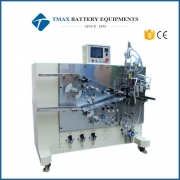 Automatic Cylinderical Battery Electrode Winding Machine
Read More
Automatic Cylinderical Battery Electrode Winding Machine
Read More
-
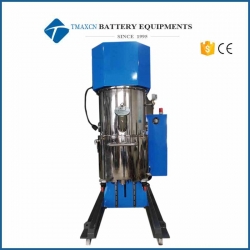 100-200L Double Planetary Vacuum Mixing Machine for Lithium Battery Slurry
Read More
100-200L Double Planetary Vacuum Mixing Machine for Lithium Battery Slurry
Read More
-
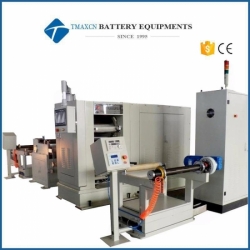 Large Heating Roller Press Machine Calender For Li ion Battery Production Line
Read More
Large Heating Roller Press Machine Calender For Li ion Battery Production Line
Read More
-
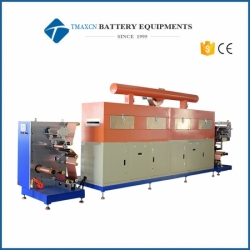 Large 3 Rollers Battery Electrode Film Intermittent Coating Machine for Pilot Production Line
Read More
Large 3 Rollers Battery Electrode Film Intermittent Coating Machine for Pilot Production Line
Read More
-
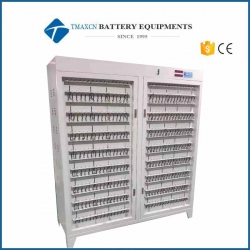 512 Channel 5V3A Battery Grading Machine/Battery Charge Discharge Machine Tester
Read More
512 Channel 5V3A Battery Grading Machine/Battery Charge Discharge Machine Tester
Read More
 David@battery-equipments.com

