 English▼



- Battery Manufacturing Equipment
- Battery Laboratory Assembly Equipment
- Battery Pack Assembly Equipment
- Sodium Ion Battery Manufacturing Equipment
- Solid State Cell Production Line
- Dry Electrode Assembly Equipment
- Supercapacitor Assembly Equipment
- Perovskite Solar Cell Lab Equipment
- Li ion Battery Materials
- Ni / Al / Cu Metal Foam
- Customized Electrode
- Cathode Active Materials
- Anode Active Materials
- Coin Cell Parts
- Lithium Chip
- Cylindrical Cell Parts
- Battery Current Collectors
- Battery Conductive Materials
- Electrolyte
- Battery Binder
- Separator and Tape
- Aluminum Laminate Film
- Nickel Strip/Foil
- Battery Tabs
- Graphene Materials
- Cu / Al / Ni / Stainless steel Foil
- Battery Laboratory Equipment
- Li ion Battery Tester
- Battery Safety Tester
- Material Characterization Tester
- Rolling Press Machine
- Electrode Mixer
- Coin Cell Crimping Machine
- Coin Cell Electrode Disc Punching
- Pouch Cell Sealing Machine
- Pouch Cell Stacking Machine
- Pouch Cell Forming Machine
- Pouch Cell Ultrasonic Welder
- Pouch Cell Electrode Die Cutter
- Cylinder Cell Sealing Machine
- Cylinder Cell Grooving Machine
- Electrode Slitting Machine
- Cylinder Cell Winding Machine
- Cylinder Cell Spot Welding Machine
- Electrolyte Filling
- Type Test Cell
- Other Battery Making Machine
- NMP Solvent Treatment System
- Vacuum Glove Box
- Coating Machine
- Lab Furnaces
- Ball Mill
- Laboratory Press
- Laboratory Equipment
- Press Equipment
blog
Pouch Cell Production Equipment
- 2025-04-22
Pouch Cell Production Equipment: Design, Functionality, and Applications
Pouch cell production equipment refers to the specialized machinery used in the large-scale manufacturing of lithium-ion pouch cells. These cells are packaged in flexible aluminum-plastic laminate pouches and are widely utilized in electric vehicles (EVs), consumer electronics, and energy storage systems due to their high energy density, lightweight design, and flexibility.
Below is a comprehensive overview of pouch cell production equipment, including its design, functionality, applications, advantages, challenges, and market trends.
---
●1. What Is Pouch Cell Production Equipment?
Pouch cell production equipment encompasses a range of machines and systems that automate the processes required for the mass production of pouch cells. These machines ensure high precision, repeatability, scalability, and efficiency while maintaining strict quality control during large-scale manufacturing.
Key features of pouch cell production equipment:
- Fully automated or semi-automated operation.
- Modular design for customization based on specific requirements.
- Integration of multiple stages of pouch cell production into a single system.
- Operation in controlled environments to prevent contamination.
---
●2. Key Components of Pouch Cell Production Equipment
The pouch cell production process involves several stages, each requiring specific equipment:
A. Material Preparation
- Slurry Mixing: Equipment for mixing active materials, binders, and solvents.
- Coating: Machines for applying slurries onto current collectors (aluminum or copper foils).
- Drying: Ovens or dry rooms to remove solvents from coated electrodes.
B. Electrode Processing
- Calendaring: Roll presses to compact electrodes and control thickness.
- Slitting: Cutting electrodes into strips of precise dimensions.
C. Cell Assembly
- Stacking: Automated systems for stacking cathode, separator, and anode layers into a flat structure.
- Lamination: Equipment for inserting the stacked electrodes into pouches made of aluminum-plastic laminate.
- Sealing: Hot pressing or impulse welding machines to seal three sides of the pouch, leaving one side open for electrolyte injection.
D. Electrolyte Injection
- Precision equipment for injecting electrolyte into the pouch through the open side.
E. Final Sealing
- Equipment for sealing the final open side after electrolyte injection.
F. Formation and Testing
- Formation: Controlled charging/discharging cycles to activate the battery.
- Testing: Equipment to evaluate capacity, internal resistance, cycle life, and safety.
G. Environmental Control
- Dry Rooms: Low-humidity environments (<1% RH) to prevent moisture contamination during electrode processing and cell assembly.
---
●3. Operation of Pouch Cell Production Equipment
The operation of pouch cell production equipment involves several key steps:
1. Material Preparation:
- Mix active materials, binders, and solvents to create slurries.
- Coat the slurries onto current collectors using slot-die or blade coating techniques.
2. Electrode Fabrication:
- Dry the coated electrodes in controlled ovens.
- Calender the dried electrodes to achieve desired thickness and density.
- Slit the electrodes into strips of precise dimensions.
3. Cell Assembly:
- Stack the cathode, separator, and anode layers into a flat structure.
- Insert the stacked electrodes into a pouch made of aluminum-plastic laminate.
- Seal three sides of the pouch, leaving one side open for electrolyte injection.
4. Electrolyte Injection:
- Inject electrolyte into the pouch through the open side.
5. Final Sealing:
- Seal the final open side after electrolyte injection.
6. Formation and Testing:
- Perform formation cycles to activate the battery.
- Conduct various tests (e.g., charge/discharge, thermal cycling, short-circuit testing) to evaluate performance and safety.
Battery Stacking Machine
●4. Types of Pouch Cell Production Equipment
A. Manual Equipment
- Suitable for small-scale production or research purposes.
- Requires manual intervention for most processes, such as stacking and sealing.
B. Semi-Automated Equipment
- Combines manual and automated processes.
- Ideal for medium-scale production, offering higher efficiency than fully manual systems.
C. Fully Automated Equipment
- Handles all stages of pouch cell production with minimal human intervention.
- Used in large-scale commercial production facilities for high throughput and consistency.
---
●5. Applications of Pouch Cell Production Equipment
A. Electric Vehicles (EVs)
- Pouch cells are widely used in EVs due to their high energy density and flexibility in design.
B. Consumer Electronics
- Used in smartphones, tablets, laptops, and other portable devices.
C. Energy Storage Systems (ESS)
- Pouch cells are employed in stationary energy storage systems for grid stabilization and renewable energy integration.
D. Industrial Applications
- Used in robotics, drones, and other industrial applications requiring lightweight, high-energy-density batteries.
---
●6. Advantages of Pouch Cell Production Equipment
| Advantage | Description |
|----------------------------------|---------------------------------------------------------------------------------|
| High Throughput | Fully automated systems enable mass production with high efficiency. |
| Precision | Ensures accurate control over electrode dimensions, stacking, and sealing. |
| Scalability | Supports large-scale production with consistent quality across batches. |
| Flexibility | Adaptable to various cell sizes, chemistries, and designs. |
| Cost-Effectiveness | Reduces labor costs and improves efficiency compared to manual methods. |
| Data Collection | Generates valuable data on cell performance, reliability, and safety. |
---
●7. Challenges in Using Pouch Cell Production Equipment
A. Equipment Complexity
- Advanced machinery requires skilled operators and regular maintenance.
B. Environmental Control
- Maintaining low-humidity conditions in dry rooms is challenging and costly.
C. Sealing Integrity
- Achieving reliable and leak-free sealing of pouches is critical but difficult.
D. Material Handling
- Ensuring uniform mixing, coating, and drying of electrode materials is essential but challenging.
E. Scalability
- Transferring processes from pilot scale to full production may reveal unforeseen challenges.
F. Cost of Investment
- High initial investment for fully automated systems can be a barrier for smaller manufacturers.
---
●8. Market Trends and Future Outlook
A. Increasing Demand for Lithium-Ion Batteries
- Growth in electric vehicles (EVs), renewable energy storage, and portable electronics drives demand for pouch cells.
B. Emerging Technologies
- Solid-state batteries, silicon anodes, and other next-generation technologies are being tested in pouch cell production equipment.
C. Automation and Digitalization
- Adoption of Industry 4.0 technologies (e.g., IoT, AI, robotics) improves efficiency and reduces costs in pouch cell fabrication.
D. Sustainability
- Focus on recycling and sustainable manufacturing processes is gaining traction.
E. Customization
- Manufacturers are increasingly customizing equipment to meet specific application requirements, such as ultra-thin pouch cells for wearables.
---
●9. Conclusion
Pouch cell production equipment plays a crucial role in the large-scale manufacturing of lithium-ion pouch cells. It enables manufacturers to produce high-quality cells with consistent performance and reliability at scale. While challenges exist, ongoing advancements in technology and manufacturing processes continue to enhance the capabilities of these machines.
If you're planning to acquire or operate pouch cell production equipment, carefully consider factors such as equipment specifications, environmental control, scalability, and cost. For further details or assistance, feel free to ask!
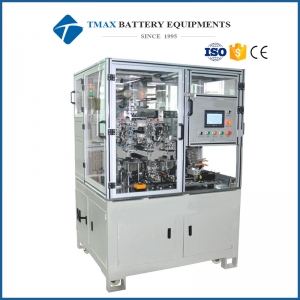
Pouch cell production equipment refers to the specialized machinery used in the large-scale manufacturing of lithium-ion pouch cells. These cells are packaged in flexible aluminum-plastic laminate pouches and are widely utilized in electric vehicles (EVs), consumer electronics, and energy storage systems due to their high energy density, lightweight design, and flexibility.
Below is a comprehensive overview of pouch cell production equipment, including its design, functionality, applications, advantages, challenges, and market trends.
---
●1. What Is Pouch Cell Production Equipment?
Pouch cell production equipment encompasses a range of machines and systems that automate the processes required for the mass production of pouch cells. These machines ensure high precision, repeatability, scalability, and efficiency while maintaining strict quality control during large-scale manufacturing.
Key features of pouch cell production equipment:
- Fully automated or semi-automated operation.
- Modular design for customization based on specific requirements.
- Integration of multiple stages of pouch cell production into a single system.
- Operation in controlled environments to prevent contamination.
---
●2. Key Components of Pouch Cell Production Equipment
The pouch cell production process involves several stages, each requiring specific equipment:
A. Material Preparation
- Slurry Mixing: Equipment for mixing active materials, binders, and solvents.
- Coating: Machines for applying slurries onto current collectors (aluminum or copper foils).
- Drying: Ovens or dry rooms to remove solvents from coated electrodes.
B. Electrode Processing
- Calendaring: Roll presses to compact electrodes and control thickness.
- Slitting: Cutting electrodes into strips of precise dimensions.
C. Cell Assembly
- Stacking: Automated systems for stacking cathode, separator, and anode layers into a flat structure.
- Lamination: Equipment for inserting the stacked electrodes into pouches made of aluminum-plastic laminate.
- Sealing: Hot pressing or impulse welding machines to seal three sides of the pouch, leaving one side open for electrolyte injection.
D. Electrolyte Injection
- Precision equipment for injecting electrolyte into the pouch through the open side.
E. Final Sealing
- Equipment for sealing the final open side after electrolyte injection.
F. Formation and Testing
- Formation: Controlled charging/discharging cycles to activate the battery.
- Testing: Equipment to evaluate capacity, internal resistance, cycle life, and safety.
G. Environmental Control
- Dry Rooms: Low-humidity environments (<1% RH) to prevent moisture contamination during electrode processing and cell assembly.
---
●3. Operation of Pouch Cell Production Equipment
The operation of pouch cell production equipment involves several key steps:
1. Material Preparation:
- Mix active materials, binders, and solvents to create slurries.
- Coat the slurries onto current collectors using slot-die or blade coating techniques.
2. Electrode Fabrication:
- Dry the coated electrodes in controlled ovens.
- Calender the dried electrodes to achieve desired thickness and density.
- Slit the electrodes into strips of precise dimensions.
3. Cell Assembly:
- Stack the cathode, separator, and anode layers into a flat structure.
- Insert the stacked electrodes into a pouch made of aluminum-plastic laminate.
- Seal three sides of the pouch, leaving one side open for electrolyte injection.
4. Electrolyte Injection:
- Inject electrolyte into the pouch through the open side.
5. Final Sealing:
- Seal the final open side after electrolyte injection.
6. Formation and Testing:
- Perform formation cycles to activate the battery.
- Conduct various tests (e.g., charge/discharge, thermal cycling, short-circuit testing) to evaluate performance and safety.
Battery Stacking Machine
●4. Types of Pouch Cell Production Equipment
A. Manual Equipment
- Suitable for small-scale production or research purposes.
- Requires manual intervention for most processes, such as stacking and sealing.
B. Semi-Automated Equipment
- Combines manual and automated processes.
- Ideal for medium-scale production, offering higher efficiency than fully manual systems.
C. Fully Automated Equipment
- Handles all stages of pouch cell production with minimal human intervention.
- Used in large-scale commercial production facilities for high throughput and consistency.
---
●5. Applications of Pouch Cell Production Equipment
A. Electric Vehicles (EVs)
- Pouch cells are widely used in EVs due to their high energy density and flexibility in design.
B. Consumer Electronics
- Used in smartphones, tablets, laptops, and other portable devices.
C. Energy Storage Systems (ESS)
- Pouch cells are employed in stationary energy storage systems for grid stabilization and renewable energy integration.
D. Industrial Applications
- Used in robotics, drones, and other industrial applications requiring lightweight, high-energy-density batteries.
---
●6. Advantages of Pouch Cell Production Equipment
| Advantage | Description |
|----------------------------------|---------------------------------------------------------------------------------|
| High Throughput | Fully automated systems enable mass production with high efficiency. |
| Precision | Ensures accurate control over electrode dimensions, stacking, and sealing. |
| Scalability | Supports large-scale production with consistent quality across batches. |
| Flexibility | Adaptable to various cell sizes, chemistries, and designs. |
| Cost-Effectiveness | Reduces labor costs and improves efficiency compared to manual methods. |
| Data Collection | Generates valuable data on cell performance, reliability, and safety. |
---
●7. Challenges in Using Pouch Cell Production Equipment
A. Equipment Complexity
- Advanced machinery requires skilled operators and regular maintenance.
B. Environmental Control
- Maintaining low-humidity conditions in dry rooms is challenging and costly.
C. Sealing Integrity
- Achieving reliable and leak-free sealing of pouches is critical but difficult.
D. Material Handling
- Ensuring uniform mixing, coating, and drying of electrode materials is essential but challenging.
E. Scalability
- Transferring processes from pilot scale to full production may reveal unforeseen challenges.
F. Cost of Investment
- High initial investment for fully automated systems can be a barrier for smaller manufacturers.
---
●8. Market Trends and Future Outlook
A. Increasing Demand for Lithium-Ion Batteries
- Growth in electric vehicles (EVs), renewable energy storage, and portable electronics drives demand for pouch cells.
B. Emerging Technologies
- Solid-state batteries, silicon anodes, and other next-generation technologies are being tested in pouch cell production equipment.
C. Automation and Digitalization
- Adoption of Industry 4.0 technologies (e.g., IoT, AI, robotics) improves efficiency and reduces costs in pouch cell fabrication.
D. Sustainability
- Focus on recycling and sustainable manufacturing processes is gaining traction.
E. Customization
- Manufacturers are increasingly customizing equipment to meet specific application requirements, such as ultra-thin pouch cells for wearables.
---
●9. Conclusion
Pouch cell production equipment plays a crucial role in the large-scale manufacturing of lithium-ion pouch cells. It enables manufacturers to produce high-quality cells with consistent performance and reliability at scale. While challenges exist, ongoing advancements in technology and manufacturing processes continue to enhance the capabilities of these machines.
If you're planning to acquire or operate pouch cell production equipment, carefully consider factors such as equipment specifications, environmental control, scalability, and cost. For further details or assistance, feel free to ask!
HOT PRODUCTS
-
 Automatic Cylinderical Battery Electrode Winding Machine
Read More
Automatic Cylinderical Battery Electrode Winding Machine
Read More
-
 100-200L Double Planetary Vacuum Mixing Machine for Lithium Battery Slurry
Read More
100-200L Double Planetary Vacuum Mixing Machine for Lithium Battery Slurry
Read More
-
 Large Heating Roller Press Machine Calender For Li ion Battery Production Line
Read More
Large Heating Roller Press Machine Calender For Li ion Battery Production Line
Read More
-
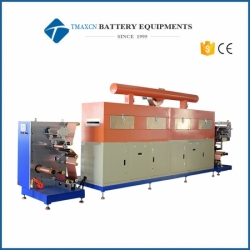 Large 3 Rollers Battery Electrode Film Intermittent Coating Machine for Pilot Production Line
Read More
Large 3 Rollers Battery Electrode Film Intermittent Coating Machine for Pilot Production Line
Read More
-
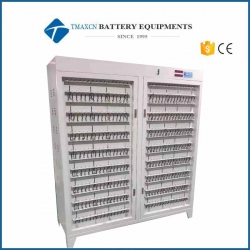 512 Channel 5V3A Battery Grading Machine/Battery Charge Discharge Machine Tester
Read More
512 Channel 5V3A Battery Grading Machine/Battery Charge Discharge Machine Tester
Read More
 David@battery-equipments.com

