 English▼



- Battery Manufacturing Equipment
- Battery Laboratory Assembly Equipment
- Battery Pack Assembly Equipment
- Sodium Ion Battery Manufacturing Equipment
- Solid State Cell Production Line
- Dry Electrode Assembly Equipment
- Supercapacitor Assembly Equipment
- Perovskite Solar Cell Lab Equipment
- Li ion Battery Materials
- Ni / Al / Cu Metal Foam
- Customized Electrode
- Cathode Active Materials
- Anode Active Materials
- Coin Cell Parts
- Lithium Chip
- Cylindrical Cell Parts
- Battery Current Collectors
- Battery Conductive Materials
- Electrolyte
- Battery Binder
- Separator and Tape
- Aluminum Laminate Film
- Nickel Strip/Foil
- Battery Tabs
- Graphene Materials
- Cu / Al / Ni / Stainless steel Foil
- Battery Laboratory Equipment
- Li ion Battery Tester
- Battery Safety Tester
- Material Characterization Tester
- Rolling Press Machine
- Electrode Mixer
- Coin Cell Crimping Machine
- Coin Cell Electrode Disc Punching
- Pouch Cell Sealing Machine
- Pouch Cell Stacking Machine
- Pouch Cell Forming Machine
- Pouch Cell Ultrasonic Welder
- Pouch Cell Electrode Die Cutter
- Cylinder Cell Sealing Machine
- Cylinder Cell Grooving Machine
- Electrode Slitting Machine
- Cylinder Cell Winding Machine
- Cylinder Cell Spot Welding Machine
- Electrolyte Filling
- Type Test Cell
- Other Battery Making Machine
- NMP Solvent Treatment System
- Vacuum Glove Box
- Coating Machine
- Lab Furnaces
- Ball Mill
- Laboratory Press
- Laboratory Equipment
- Press Equipment
blog
Battery ExplosionProof Test Chamber
A Battery ExplosionProof Test Chamber is a specialized testing environment designed to safely evaluate the performance and safety of batteries under extreme conditions. These chambers are engineered to contain any potential explosions, fires, or hazardous gas releases that may occur during testing. Below is a detailed overview of battery explosionproof test chambers, their design, applications, innovations, challenges, and best practices.
●1. Overview of Battery ExplosionProof Test Chambers
Battery explosionproof test chambers are used to simulate harsh environments and assess the safety of batteries under conditions that could lead to thermal runaway, combustion, or explosion. These chambers are critical for ensuring compliance with international safety standards and improving battery reliability in realworld scenarios.
Key features:
Designed to withstand high pressures and temperatures.
Equipped with safety mechanisms to prevent external hazards.
Capable of replicating standardized test protocols (e.g., UN 38.3, IEC 62133).
●2. Components of a Battery ExplosionProof Test Chamber
A. Chamber Structure
Made from durable materials such as steel or reinforced composites to resist explosions.
Includes pressure relief vents to release excess pressure safely.
B. Temperature and Humidity Control
Heating and cooling systems to simulate extreme environmental conditions.
Humidifiers or dehumidifiers to control moisture levels.
C. Gas Detection and Ventilation Systems
Sensors to monitor for hazardous gases (e.g., hydrogen, carbon monoxide).
Exhaust systems to vent gases outside the chamber.
D. Safety Features
Explosionproof doors and seals to prevent accidental openings during tests.
Fire suppression systems (e.g., water mist, inert gas) to extinguish flames.
E. Data Acquisition and Monitoring
Integrated sensors to measure temperature, pressure, voltage, and current.
Realtime data logging and analysis for comprehensive test results.
●3. Applications of Battery ExplosionProof Test Chambers
A. Safety Testing
Evaluate the risk of thermal runaway, fire, or explosion under abnormal conditions.
Ensure compliance with regulatory standards for transportation and use.
B. Product Development
Assess the performance of new battery designs, chemistries, and packaging under extreme conditions.
Optimize safety features and structural integrity.
C. Quality Assurance
Verify that production batches meet required safety and performance specifications.
Identify manufacturing defects that could compromise safety.
A. Advanced Materials
Use of lightweight yet strong materials (e.g., composite alloys) to improve durability without increasing weight.
Corrosionresistant coatings to extend the lifespan of the chamber.
B. Automation and Remote Operation
Automated systems reduce human intervention and improve repeatability.
Remote operation allows operators to conduct tests from a safe distance.
C. MultiEnvironmental Simulation
Simultaneous control of temperature, humidity, pressure, and other variables for realistic testing.
Ability to replicate complex scenarios such as altitude changes or rapid temperature shifts.
D. AI and Predictive Analytics
Integration of AIdriven algorithms to predict failure modes and optimize test parameters.
Enhanced data analysis capabilities for faster insights and decisionmaking.
●5. Challenges in Using Battery ExplosionProof Test Chambers
A. Cost
High initial investment for purchasing and maintaining advanced test chambers.
Ongoing costs for calibration, repairs, and consumables.
B. Safety
Handling highenergy batteries in confined spaces poses risks of fire, explosion, or toxic gas release.
Ensuring proper containment and ventilation is essential for operator safety.
C. Calibration and Maintenance
Regular calibration is necessary to ensure accurate and reliable results.
Maintenance can be timeconsuming and costly, especially for complex systems.
●6. Best Practices for Using Battery ExplosionProof Test Chambers
A. Adherence to Standards
Follow established testing protocols to ensure validity and comparability of results.
Stay updated on evolving regulations and industry standards.
B. Safety Protocols
Conduct thorough risk assessments before each test.
Use personal protective equipment (PPE) when handling batteries and operating the chamber.
Train personnel on emergency procedures and equipment usage.
C. Equipment Maintenance
Perform routine inspections and maintenance to identify and address issues early.
Replace wornout components promptly to avoid malfunctions.
D. Documentation
Maintain detailed records of test parameters, results, and observations.
Use standardized reporting formats for easy analysis and comparison.
●7. Importance of Battery ExplosionProof Test Chambers
Battery explosionproof test chambers are vital for ensuring the safety and reliability of batteries in various applications, including electric vehicles (EVs), consumer electronics, and energy storage systems. By simulating extreme conditions and containing potential hazards, these chambers help manufacturers identify and mitigate risks, ultimately leading to safer and more robust products.
●8. Conclusion
Effective use of battery explosionproof test chambers requires a combination of advanced technology, precise testing protocols, and stringent safety measures. By addressing challenges such as cost, safety, and maintenance, and adopting innovations like automation and predictive analytics, manufacturers can produce safer and more reliable batteries.
- 2025-09-30
Xiamen Tmax Battery Equipments Limited was set up as a manufacturer in 1995, dealing with lithium battery equipments, technology, etc. We have total manufacturing facilities of around 200000 square foot and more than 230 staff. Owning a group of experie-nced engineers and staffs, we can bring you not only reliable products and technology, but also excellent services and real value you will expect and enjoy.
A Battery ExplosionProof Test Chamber is a specialized testing environment designed to safely evaluate the performance and safety of batteries under extreme conditions. These chambers are engineered to contain any potential explosions, fires, or hazardous gas releases that may occur during testing. Below is a detailed overview of battery explosionproof test chambers, their design, applications, innovations, challenges, and best practices.
●1. Overview of Battery ExplosionProof Test Chambers
Battery explosionproof test chambers are used to simulate harsh environments and assess the safety of batteries under conditions that could lead to thermal runaway, combustion, or explosion. These chambers are critical for ensuring compliance with international safety standards and improving battery reliability in realworld scenarios.
Key features:
Designed to withstand high pressures and temperatures.
Equipped with safety mechanisms to prevent external hazards.
Capable of replicating standardized test protocols (e.g., UN 38.3, IEC 62133).
●2. Components of a Battery ExplosionProof Test Chamber
A. Chamber Structure
Made from durable materials such as steel or reinforced composites to resist explosions.
Includes pressure relief vents to release excess pressure safely.
B. Temperature and Humidity Control
Heating and cooling systems to simulate extreme environmental conditions.
Humidifiers or dehumidifiers to control moisture levels.
C. Gas Detection and Ventilation Systems
Sensors to monitor for hazardous gases (e.g., hydrogen, carbon monoxide).
Exhaust systems to vent gases outside the chamber.
D. Safety Features
Explosionproof doors and seals to prevent accidental openings during tests.
Fire suppression systems (e.g., water mist, inert gas) to extinguish flames.
E. Data Acquisition and Monitoring
Integrated sensors to measure temperature, pressure, voltage, and current.
Realtime data logging and analysis for comprehensive test results.
●3. Applications of Battery ExplosionProof Test Chambers
A. Safety Testing
Evaluate the risk of thermal runaway, fire, or explosion under abnormal conditions.
Ensure compliance with regulatory standards for transportation and use.
B. Product Development
Assess the performance of new battery designs, chemistries, and packaging under extreme conditions.
Optimize safety features and structural integrity.
C. Quality Assurance
Verify that production batches meet required safety and performance specifications.
Identify manufacturing defects that could compromise safety.
A. Advanced Materials
Use of lightweight yet strong materials (e.g., composite alloys) to improve durability without increasing weight.
Corrosionresistant coatings to extend the lifespan of the chamber.
B. Automation and Remote Operation
Automated systems reduce human intervention and improve repeatability.
Remote operation allows operators to conduct tests from a safe distance.
C. MultiEnvironmental Simulation
Simultaneous control of temperature, humidity, pressure, and other variables for realistic testing.
Ability to replicate complex scenarios such as altitude changes or rapid temperature shifts.
D. AI and Predictive Analytics
Integration of AIdriven algorithms to predict failure modes and optimize test parameters.
Enhanced data analysis capabilities for faster insights and decisionmaking.
●5. Challenges in Using Battery ExplosionProof Test Chambers
A. Cost
High initial investment for purchasing and maintaining advanced test chambers.
Ongoing costs for calibration, repairs, and consumables.
B. Safety
Handling highenergy batteries in confined spaces poses risks of fire, explosion, or toxic gas release.
Ensuring proper containment and ventilation is essential for operator safety.
C. Calibration and Maintenance
Regular calibration is necessary to ensure accurate and reliable results.
Maintenance can be timeconsuming and costly, especially for complex systems.
●6. Best Practices for Using Battery ExplosionProof Test Chambers
A. Adherence to Standards
Follow established testing protocols to ensure validity and comparability of results.
Stay updated on evolving regulations and industry standards.
B. Safety Protocols
Conduct thorough risk assessments before each test.
Use personal protective equipment (PPE) when handling batteries and operating the chamber.
Train personnel on emergency procedures and equipment usage.
C. Equipment Maintenance
Perform routine inspections and maintenance to identify and address issues early.
Replace wornout components promptly to avoid malfunctions.
D. Documentation
Maintain detailed records of test parameters, results, and observations.
Use standardized reporting formats for easy analysis and comparison.
●7. Importance of Battery ExplosionProof Test Chambers
Battery explosionproof test chambers are vital for ensuring the safety and reliability of batteries in various applications, including electric vehicles (EVs), consumer electronics, and energy storage systems. By simulating extreme conditions and containing potential hazards, these chambers help manufacturers identify and mitigate risks, ultimately leading to safer and more robust products.
●8. Conclusion
Effective use of battery explosionproof test chambers requires a combination of advanced technology, precise testing protocols, and stringent safety measures. By addressing challenges such as cost, safety, and maintenance, and adopting innovations like automation and predictive analytics, manufacturers can produce safer and more reliable batteries.
If you're involved in designing, operating, or improving battery explosionproof test chambers, consider factors such as equipment selection, process optimization, and technological advancements. For further details or assistance, feel free to ask!
HOT PRODUCTS
-
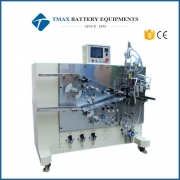 Automatic Cylinderical Battery Electrode Winding Machine
Read More
Automatic Cylinderical Battery Electrode Winding Machine
Read More
-
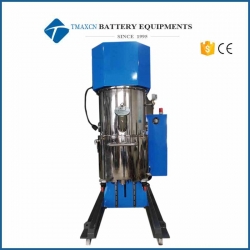 100-200L Double Planetary Vacuum Mixing Machine for Lithium Battery Slurry
Read More
100-200L Double Planetary Vacuum Mixing Machine for Lithium Battery Slurry
Read More
-
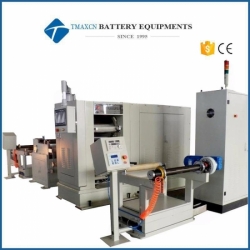 Large Heating Roller Press Machine Calender For Li ion Battery Production Line
Read More
Large Heating Roller Press Machine Calender For Li ion Battery Production Line
Read More
-
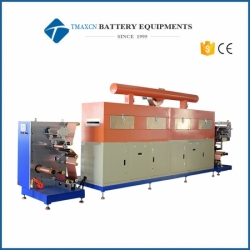 Large 3 Rollers Battery Electrode Film Intermittent Coating Machine for Pilot Production Line
Read More
Large 3 Rollers Battery Electrode Film Intermittent Coating Machine for Pilot Production Line
Read More
-
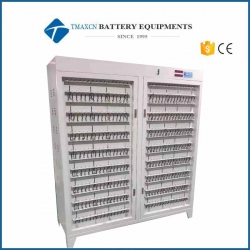 512 Channel 5V3A Battery Grading Machine/Battery Charge Discharge Machine Tester
Read More
512 Channel 5V3A Battery Grading Machine/Battery Charge Discharge Machine Tester
Read More
 David@battery-equipments.com

