 English▼



- Battery Manufacturing Equipment
- Battery Laboratory Assembly Equipment
- Battery Pack Assembly Equipment
- Sodium Ion Battery Manufacturing Equipment
- Solid State Cell Production Line
- Dry Electrode Assembly Equipment
- Supercapacitor Assembly Equipment
- Perovskite Solar Cell Lab Equipment
- Li ion Battery Materials
- Ni / Al / Cu Metal Foam
- Customized Electrode
- Cathode Active Materials
- Anode Active Materials
- Coin Cell Parts
- Lithium Chip
- Cylindrical Cell Parts
- Battery Current Collectors
- Battery Conductive Materials
- Electrolyte
- Battery Binder
- Separator and Tape
- Aluminum Laminate Film
- Nickel Strip/Foil
- Battery Tabs
- Graphene Materials
- Cu / Al / Ni / Stainless steel Foil
- Battery Laboratory Equipment
- Li ion Battery Tester
- Battery Safety Tester
- Material Characterization Tester
- Rolling Press Machine
- Electrode Mixer
- Coin Cell Crimping Machine
- Coin Cell Electrode Disc Punching
- Pouch Cell Sealing Machine
- Pouch Cell Stacking Machine
- Pouch Cell Forming Machine
- Pouch Cell Ultrasonic Welder
- Pouch Cell Electrode Die Cutter
- Cylinder Cell Sealing Machine
- Cylinder Cell Grooving Machine
- Electrode Slitting Machine
- Cylinder Cell Winding Machine
- Cylinder Cell Spot Welding Machine
- Electrolyte Filling
- Type Test Cell
- Other Battery Making Machine
- NMP Solvent Treatment System
- Vacuum Glove Box
- Coating Machine
- Lab Furnaces
- Ball Mill
- Laboratory Press
- Laboratory Equipment
- Press Equipment
blog
Cell Set Up
Cell setup refers to the process of assembling individual battery cells from prepared electrodes, separators, electrolytes, and casing materials. This is a critical step in battery manufacturing, as it directly impacts the performance, safety, and reliability of the final product. Below is a detailed overview of cell setup processes, equipment, challenges, and best practices.
●1. Overview of Cell Setup
Cell setup involves combining cathodes, anodes, separators, and electrolytes into a complete battery cell. The process can vary depending on the type of battery (e.g., prismatic, pouch, cylindrical) and chemistry (e.g., lithiumion, solidstate). The goal is to ensure precise alignment, uniformity, and sealing to prevent leakage or contamination.
Key objectives:
Achieve high mechanical integrity and electrical connectivity.
Ensure proper alignment of electrode layers.
Minimize defects and improve yield.
●2. Components of Cell Setup
A. Electrode Assembly
This step involves stacking or winding the cathode, separator, and anode layers into a cohesive structure.
#Processes:
Stacking: Layering flat sheets of cathode, separator, and anode in a specific sequence.
Winding: Rolling the electrode layers into a spiral configuration for cylindrical cells.
#Equipment:
Stacking machines (automated or semiautomated).
Winding machines with tension control and alignment systems.
B. Casing
The assembled electrode stack is placed into a casing that provides structural support and protection.
#Types of Casings:
Prismatic: Rigid metal casing for flat cells.
Pouch: Flexible polymer casing for lightweight applications.
Cylindrical: Metal casing for round cells.
#Equipment:
Prismatic casing machines.
Pouch sealing machines (heat sealers or ultrasonic welders).
Cylindrical canning machines.
C. Sealing
Sealing ensures the battery cell is hermetically closed to prevent electrolyte leakage or external contamination.
#Processes:
For pouch cells: Heat sealing or ultrasonic welding of the edges.
For prismatic cells: Laser welding or resistance welding of the metal casing.
For cylindrical cells: Crimping or welding of the top cap.
#Equipment:
Heat sealers or ultrasonic welders for pouch cells.
Laser welders or resistance welders for prismatic cells.
Crimping machines for cylindrical cells.
D. Electrolyte Filling
The electrolyte is injected into the cell under controlled conditions to enable ion transport between electrodes.
#Processes:
Vacuumassisted filling to remove air bubbles.
Precision dispensing to ensure uniform distribution.
#Equipment:
Electrolyte filling machines with vacuum chambers.
Precision dispensers for controlled dosing.
E. Formation and Testing
After assembly, the cell undergoes formation and testing to activate the battery and verify its performance.
#Processes:
Initial chargedischarge cycles to form the solidelectrolyte interphase (SEI) layer.
Performance testing (capacity, internal resistance, cycle life).
#Equipment:
Formation testers.
Capacity testers.
Safety testers (thermal abuse, nail penetration).
●3. Challenges in Cell Setup
A. Alignment and Uniformity
Misalignment of electrode layers can lead to short circuits or reduced performance.
Variations in thickness or density can affect capacity and consistency.
B. Contamination
Dust, moisture, or other contaminants can degrade the battery's performance or cause safety issues.
C. Sealing Integrity
Poor sealing can result in electrolyte leakage or ingress of external contaminants.
D. Scalability
Translating labscale processes to largescale production while maintaining quality is challenging.
E. Safety
Handling hazardous materials (e.g., electrolytes) requires strict safety protocols.
●4. Innovations in Cell Setup
A. Automation
Advanced robotics and automation systems improve precision, speed, and consistency in cell assembly.
B. Digitalization
IoTenabled machines provide realtime monitoring and predictive maintenance.
AIdriven algorithms optimize process parameters and reduce defects.
C. Sustainable Practices
Ecofriendly materials and processes minimize waste and environmental impact.
Recycling of defective cells during production reduces material loss.
D. New Chemistries
Development of solidstate batteries requires innovations in cell setup, such as dry coating and laminating techniques.
●5. Best Practices for Cell Setup
A. Process Optimization
Continuously refine assembly processes to improve efficiency and reduce variability.
Implement statistical process control (SPC) to monitor key parameters.
B. Quality Control
Conduct rigorous inspections at each stage of cell setup.
Use nondestructive testing methods (e.g., Xray imaging) to detect defects.
C. Safety Standards
Adhere to industry safety guidelines for handling hazardous materials.
Provide proper training and protective equipment for personnel.
D. Environmental Control
Maintain cleanroom conditions to prevent contamination.
Control temperature, humidity, and pressure during electrolyte filling.
E. Documentation
Maintain detailed records of processes, materials, and test results for traceability and improvement.
●6. Importance of Cell Setup
Cell setup is a critical step in battery manufacturing that determines the overall performance, safety, and reliability of the battery. By optimizing this process, manufacturers can achieve higher yields, reduce costs, and meet the demands of modern applications such as electric vehicles, renewable energy storage, and consumer electronics.
●7. Conclusion
Effective cell setup requires a combination of advanced equipment, precise processes, and stringent quality control measures. By addressing challenges such as alignment, contamination, and scalability, and adopting innovations like automation and digitalization, manufacturers can produce highquality battery cells efficiently and sustainably.
If you're involved in designing, operating, or improving cell setup processes, consider factors such as equipment selection, process optimization, and technological advancements. For further details or assistance, feel free to ask!
- 2025-08-26
Xiamen Tmax Battery Equipments Limited was set up as a manufacturer in 1995, dealing with lithium battery equipments, technology, etc. We have total manufacturing facilities of around 200000 square foot and more than 230 staff. Owning a group of experie-nced engineers and staffs, we can bring you not only reliable products and technology, but also excellent services and real value you will expect and enjoy.
Cell setup refers to the process of assembling individual battery cells from prepared electrodes, separators, electrolytes, and casing materials. This is a critical step in battery manufacturing, as it directly impacts the performance, safety, and reliability of the final product. Below is a detailed overview of cell setup processes, equipment, challenges, and best practices.
●1. Overview of Cell Setup
Cell setup involves combining cathodes, anodes, separators, and electrolytes into a complete battery cell. The process can vary depending on the type of battery (e.g., prismatic, pouch, cylindrical) and chemistry (e.g., lithiumion, solidstate). The goal is to ensure precise alignment, uniformity, and sealing to prevent leakage or contamination.
Key objectives:
Achieve high mechanical integrity and electrical connectivity.
Ensure proper alignment of electrode layers.
Minimize defects and improve yield.
●2. Components of Cell Setup
A. Electrode Assembly
This step involves stacking or winding the cathode, separator, and anode layers into a cohesive structure.
#Processes:
Stacking: Layering flat sheets of cathode, separator, and anode in a specific sequence.
Winding: Rolling the electrode layers into a spiral configuration for cylindrical cells.
#Equipment:
Stacking machines (automated or semiautomated).
Winding machines with tension control and alignment systems.
B. Casing
The assembled electrode stack is placed into a casing that provides structural support and protection.
#Types of Casings:
Prismatic: Rigid metal casing for flat cells.
Pouch: Flexible polymer casing for lightweight applications.
Cylindrical: Metal casing for round cells.
#Equipment:
Prismatic casing machines.
Pouch sealing machines (heat sealers or ultrasonic welders).
Cylindrical canning machines.
C. Sealing
Sealing ensures the battery cell is hermetically closed to prevent electrolyte leakage or external contamination.
#Processes:
For pouch cells: Heat sealing or ultrasonic welding of the edges.
For prismatic cells: Laser welding or resistance welding of the metal casing.
For cylindrical cells: Crimping or welding of the top cap.
#Equipment:
Heat sealers or ultrasonic welders for pouch cells.
Laser welders or resistance welders for prismatic cells.
Crimping machines for cylindrical cells.
D. Electrolyte Filling
The electrolyte is injected into the cell under controlled conditions to enable ion transport between electrodes.
#Processes:
Vacuumassisted filling to remove air bubbles.
Precision dispensing to ensure uniform distribution.
#Equipment:
Electrolyte filling machines with vacuum chambers.
Precision dispensers for controlled dosing.
E. Formation and Testing
After assembly, the cell undergoes formation and testing to activate the battery and verify its performance.
#Processes:
Initial chargedischarge cycles to form the solidelectrolyte interphase (SEI) layer.
Performance testing (capacity, internal resistance, cycle life).
#Equipment:
Formation testers.
Capacity testers.
Safety testers (thermal abuse, nail penetration).
●3. Challenges in Cell Setup
A. Alignment and Uniformity
Misalignment of electrode layers can lead to short circuits or reduced performance.
Variations in thickness or density can affect capacity and consistency.
B. Contamination
Dust, moisture, or other contaminants can degrade the battery's performance or cause safety issues.
C. Sealing Integrity
Poor sealing can result in electrolyte leakage or ingress of external contaminants.
D. Scalability
Translating labscale processes to largescale production while maintaining quality is challenging.
E. Safety
Handling hazardous materials (e.g., electrolytes) requires strict safety protocols.
●4. Innovations in Cell Setup
A. Automation
Advanced robotics and automation systems improve precision, speed, and consistency in cell assembly.
B. Digitalization
IoTenabled machines provide realtime monitoring and predictive maintenance.
AIdriven algorithms optimize process parameters and reduce defects.
C. Sustainable Practices
Ecofriendly materials and processes minimize waste and environmental impact.
Recycling of defective cells during production reduces material loss.
D. New Chemistries
Development of solidstate batteries requires innovations in cell setup, such as dry coating and laminating techniques.
●5. Best Practices for Cell Setup
A. Process Optimization
Continuously refine assembly processes to improve efficiency and reduce variability.
Implement statistical process control (SPC) to monitor key parameters.
B. Quality Control
Conduct rigorous inspections at each stage of cell setup.
Use nondestructive testing methods (e.g., Xray imaging) to detect defects.
C. Safety Standards
Adhere to industry safety guidelines for handling hazardous materials.
Provide proper training and protective equipment for personnel.
D. Environmental Control
Maintain cleanroom conditions to prevent contamination.
Control temperature, humidity, and pressure during electrolyte filling.
E. Documentation
Maintain detailed records of processes, materials, and test results for traceability and improvement.
●6. Importance of Cell Setup
Cell setup is a critical step in battery manufacturing that determines the overall performance, safety, and reliability of the battery. By optimizing this process, manufacturers can achieve higher yields, reduce costs, and meet the demands of modern applications such as electric vehicles, renewable energy storage, and consumer electronics.
●7. Conclusion
Effective cell setup requires a combination of advanced equipment, precise processes, and stringent quality control measures. By addressing challenges such as alignment, contamination, and scalability, and adopting innovations like automation and digitalization, manufacturers can produce highquality battery cells efficiently and sustainably.
If you're involved in designing, operating, or improving cell setup processes, consider factors such as equipment selection, process optimization, and technological advancements. For further details or assistance, feel free to ask!
HOT PRODUCTS
-
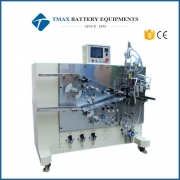 Automatic Cylinderical Battery Electrode Winding Machine
Read More
Automatic Cylinderical Battery Electrode Winding Machine
Read More
-
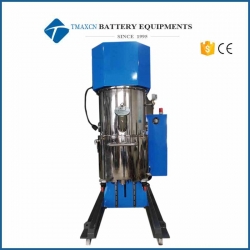 100-200L Double Planetary Vacuum Mixing Machine for Lithium Battery Slurry
Read More
100-200L Double Planetary Vacuum Mixing Machine for Lithium Battery Slurry
Read More
-
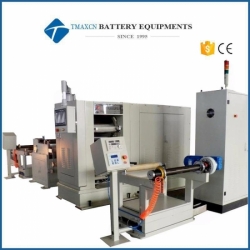 Large Heating Roller Press Machine Calender For Li ion Battery Production Line
Read More
Large Heating Roller Press Machine Calender For Li ion Battery Production Line
Read More
-
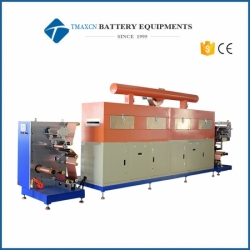 Large 3 Rollers Battery Electrode Film Intermittent Coating Machine for Pilot Production Line
Read More
Large 3 Rollers Battery Electrode Film Intermittent Coating Machine for Pilot Production Line
Read More
-
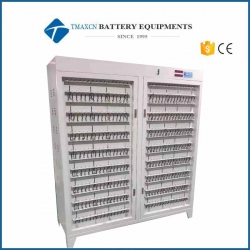 512 Channel 5V3A Battery Grading Machine/Battery Charge Discharge Machine Tester
Read More
512 Channel 5V3A Battery Grading Machine/Battery Charge Discharge Machine Tester
Read More
 David@battery-equipments.com

