 English▼



- Battery Manufacturing Equipment
- Battery Laboratory Assembly Equipment
- Battery Pack Assembly Equipment
- Sodium Ion Battery Manufacturing Equipment
- Solid State Cell Production Line
- Dry Electrode Assembly Equipment
- Supercapacitor Assembly Equipment
- Perovskite Solar Cell Lab Equipment
- Li ion Battery Materials
- Ni / Al / Cu Metal Foam
- Customized Electrode
- Cathode Active Materials
- Anode Active Materials
- Coin Cell Parts
- Lithium Chip
- Cylindrical Cell Parts
- Battery Current Collectors
- Battery Conductive Materials
- Electrolyte
- Battery Binder
- Separator and Tape
- Aluminum Laminate Film
- Nickel Strip/Foil
- Battery Tabs
- Graphene Materials
- Cu / Al / Ni / Stainless steel Foil
- Battery Laboratory Equipment
- Li ion Battery Tester
- Battery Safety Tester
- Material Characterization Tester
- Rolling Press Machine
- Electrode Mixer
- Coin Cell Crimping Machine
- Coin Cell Electrode Disc Punching
- Pouch Cell Sealing Machine
- Pouch Cell Stacking Machine
- Pouch Cell Forming Machine
- Pouch Cell Ultrasonic Welder
- Pouch Cell Electrode Die Cutter
- Cylinder Cell Sealing Machine
- Cylinder Cell Grooving Machine
- Electrode Slitting Machine
- Cylinder Cell Winding Machine
- Cylinder Cell Spot Welding Machine
- Electrolyte Filling
- Type Test Cell
- Other Battery Making Machine
- NMP Solvent Treatment System
- Vacuum Glove Box
- Coating Machine
- Lab Furnaces
- Ball Mill
- Laboratory Press
- Laboratory Equipment
- Press Equipment
blog
Battery Lab Plant
A battery lab plant is a specialized facility designed for the research, development, prototyping, and smallscale production of batteries. Unlike largescale manufacturing plants, battery lab plants focus on testing new materials, chemistries, and manufacturing processes to advance battery technology. These facilities are essential for innovation in the battery industry, enabling the development of nextgeneration batteries such as solidstate, sodiumion, and other advanced chemistries.
Below is a detailed overview of battery lab plants, including their design, operations, innovations, challenges, and best practices.
●1. Overview of Battery Lab Plants
Battery lab plants are smallerscale facilities that combine laboratory research with pilotscale production capabilities. They serve as a bridge between theoretical research and fullscale manufacturing, allowing scientists and engineers to validate new technologies before scaling them up.
Key characteristics:
Focus on experimentation, prototyping, and process optimization.
Integration of labscale equipment with semiautomated or manual processes.
Flexibility to test various battery chemistries, formats, and designs.
●2. Components of a Battery Lab Plant
A. Material Synthesis Area
This section focuses on synthesizing and characterizing raw materials for electrodes, electrolytes, and separators.
#Processes:
Synthesis of active materials (e.g., lithium iron phosphate, nickel cobalt manganese oxide).
Purification and characterization of synthesized materials using techniques like Xray diffraction (XRD) and scanning electron microscopy (SEM).
#Equipment:
Furnaces (tube furnaces, muffle furnaces).
Ball mills (planetary ball mills, jar mills).
Analytical instruments (XRD, SEM, TEM, ICPOES).
B. Electrode Preparation Area
This section handles the preparation of electrodes through slurry mixing, coating, drying, and calendering.
#Processes:
Mixing active materials, binders, and conductive agents into slurry.
Coating electrodes onto metal foils (aluminum for cathodes, copper for anodes).
Drying and calendering electrodes to achieve uniform thickness and density.
#Equipment:
Smallscale mixers (beaker mixers, mini planetary mixers).
Slot die coaters or doctor blade coaters.
Benchtop drying ovens.
Mini calendering machines.
C. Cell Assembly Area
This section involves assembling electrodes, separators, and casings into complete cells.
#Processes:
Stacking or winding cathode, separator, and anode layers.
Placing the electrode stack into coin cells, pouch cells, or cylindrical cells.
Sealing the casing or pouch to prevent electrolyte leakage.
#Equipment:
Manual or semiautomated stacking/winding machines.
Coin cell crimping machines.
Pouch sealing machines.
Cylindrical cell assembly machines.
D. Electrolyte Filling Area
This section handles the injection of electrolyte into the battery cell.
#Processes:
Filling the cell with electrolyte under controlled conditions.
Forming the solidelectrolyte interphase (SEI) layer through initial chargedischarge cycles.
#Equipment:
Precision dispensers.
Formation chambers (coin cell holders, pouch cell fixtures).
E. Testing and Characterization Area
This section evaluates the performance, safety, and durability of the battery.
#Processes:
Conducting electrochemical tests (cycling, impedance, rate capability).
Performing safety tests (thermal abuse, overcharge, nail penetration).
Analyzing material degradation and failure mechanisms.
#Equipment:
Battery cyclers (potentiostats/galvanostats).
Thermal chambers.
Safety testers (nail penetration testers, thermal abuse testers).
Analytical instruments (FTIR, Raman spectroscopy, XPS).
This optional section focuses on recovering valuable materials from spent batteries for reuse in new prototypes.
#Processes:
Shredding and sorting spent batteries.
Extracting and purifying materials such as lithium, cobalt, and nickel.
#Equipment:
Smallscale shredders.
Magnetic separators.
Hydrometallurgical processing equipment.
●3. Operations in a Battery Lab Plant
A. Experimentation and Prototyping
Scientists and engineers develop and test new battery chemistries, materials, and designs.
Iterative testing allows for rapid feedback and improvement.
B. Process Development
Optimization of manufacturing processes such as slurry mixing, coating, and assembly.
Validation of processes at pilot scale before scaling up to full production.
C. Data Collection and Analysis
Realtime data collection during experiments and testing.
Use of AI and machine learning algorithms to analyze data and optimize processes.
D. Collaboration
Collaboration with universities, research institutions, and industry partners to accelerate innovation.
Sharing of knowledge and resources to drive advancements in battery technology.
●4. Innovations in Battery Lab Plants
A. SolidState Battery Development
Research into solid electrolytes and interface engineering for solidstate batteries.
Development of fabrication techniques for allsolidstate cells.
B. Advanced Materials
Exploration of new cathode, anode, and electrolyte materials (e.g., siliconbased anodes, sodiumion chemistries).
Investigation of novel separator designs for improved safety and performance.
C. Sustainable Practices
Adoption of ecofriendly synthesis methods and recycling technologies.
Minimization of waste and energy consumption during experimentation.
D. Digitalization
Use of IoTenabled equipment for realtime monitoring and control.
Implementation of digital twins to simulate and optimize processes.
●5. Challenges in Battery Lab Plants
A. Scalability
Translating labscale successes into scalable manufacturing processes can be challenging.
Differences in equipment, environment, and operating conditions may affect results.
B. Cost
High costs associated with advanced equipment, materials, and personnel.
Limited funding for longterm research projects.
C. Safety
Handling hazardous materials (e.g., electrolytes, precursors) requires strict safety protocols.
Ensuring safe operation of highvoltage systems during testing.
D. Intellectual Property
Protecting intellectual property while collaborating with external partners.
●6. Market Trends and Future Outlook
A. NextGeneration Batteries
Increasing focus on developing solidstate, sodiumion, and other advanced chemistries.
Push toward higher energy density, faster charging, and improved safety.
B. Customization
Tailored solutions for specific applications (e.g., EVs, grid storage, consumer electronics).
C. Sustainability
Growing emphasis on sustainable battery technologies and recycling.
D. Global Competition
Intense competition among countries and companies to lead in battery innovation.
●7. Best Practices for Battery Lab Plants
A. Process Optimization
Continuously refine experimental procedures to improve efficiency and reduce variability.
B. Quality Control
Implement rigorous testing protocols to ensure consistent results across experiments.
C. Safety Standards
Adhere to safety guidelines for handling hazardous materials and highvoltage systems.
D. Collaboration
Foster partnerships with academia, industry, and government agencies to leverage expertise and resources.
E. Documentation
Maintain thorough documentation of experiments, results, and learnings for future reference.
●8. Importance of Battery Lab Plants
Battery lab plants play a crucial role in advancing battery technology by enabling the exploration of new materials, chemistries, and manufacturing processes. They help bridge the gap between fundamental research and industrialscale production, accelerating the development of nextgeneration batteries.
●9. Conclusion
Battery lab plants are vital for driving innovation in the battery industry. By combining research, prototyping, and smallscale production capabilities, these facilities enable the development of advanced battery technologies that meet the demands of modern applications. Through continuous improvement, collaboration, and adoption of sustainable practices, battery lab plants will continue to shape the future of energy storage.
- 2025-08-22
Xiamen Tmax Battery Equipments Limited was set up as a manufacturer in 1995, dealing with lithium battery equipments, technology, etc. We have total manufacturing facilities of around 200000 square foot and more than 230 staff. Owning a group of experie-nced engineers and staffs, we can bring you not only reliable products and technology, but also excellent services and real value you will expect and enjoy.
A battery lab plant is a specialized facility designed for the research, development, prototyping, and smallscale production of batteries. Unlike largescale manufacturing plants, battery lab plants focus on testing new materials, chemistries, and manufacturing processes to advance battery technology. These facilities are essential for innovation in the battery industry, enabling the development of nextgeneration batteries such as solidstate, sodiumion, and other advanced chemistries.
Below is a detailed overview of battery lab plants, including their design, operations, innovations, challenges, and best practices.
●1. Overview of Battery Lab Plants
Battery lab plants are smallerscale facilities that combine laboratory research with pilotscale production capabilities. They serve as a bridge between theoretical research and fullscale manufacturing, allowing scientists and engineers to validate new technologies before scaling them up.
Key characteristics:
Focus on experimentation, prototyping, and process optimization.
Integration of labscale equipment with semiautomated or manual processes.
Flexibility to test various battery chemistries, formats, and designs.
●2. Components of a Battery Lab Plant
A. Material Synthesis Area
This section focuses on synthesizing and characterizing raw materials for electrodes, electrolytes, and separators.
#Processes:
Synthesis of active materials (e.g., lithium iron phosphate, nickel cobalt manganese oxide).
Purification and characterization of synthesized materials using techniques like Xray diffraction (XRD) and scanning electron microscopy (SEM).
#Equipment:
Furnaces (tube furnaces, muffle furnaces).
Ball mills (planetary ball mills, jar mills).
Analytical instruments (XRD, SEM, TEM, ICPOES).
B. Electrode Preparation Area
This section handles the preparation of electrodes through slurry mixing, coating, drying, and calendering.
#Processes:
Mixing active materials, binders, and conductive agents into slurry.
Coating electrodes onto metal foils (aluminum for cathodes, copper for anodes).
Drying and calendering electrodes to achieve uniform thickness and density.
#Equipment:
Smallscale mixers (beaker mixers, mini planetary mixers).
Slot die coaters or doctor blade coaters.
Benchtop drying ovens.
Mini calendering machines.
C. Cell Assembly Area
This section involves assembling electrodes, separators, and casings into complete cells.
#Processes:
Stacking or winding cathode, separator, and anode layers.
Placing the electrode stack into coin cells, pouch cells, or cylindrical cells.
Sealing the casing or pouch to prevent electrolyte leakage.
#Equipment:
Manual or semiautomated stacking/winding machines.
Coin cell crimping machines.
Pouch sealing machines.
Cylindrical cell assembly machines.
D. Electrolyte Filling Area
This section handles the injection of electrolyte into the battery cell.
#Processes:
Filling the cell with electrolyte under controlled conditions.
Forming the solidelectrolyte interphase (SEI) layer through initial chargedischarge cycles.
#Equipment:
Precision dispensers.
Formation chambers (coin cell holders, pouch cell fixtures).
E. Testing and Characterization Area
This section evaluates the performance, safety, and durability of the battery.
#Processes:
Conducting electrochemical tests (cycling, impedance, rate capability).
Performing safety tests (thermal abuse, overcharge, nail penetration).
Analyzing material degradation and failure mechanisms.
#Equipment:
Battery cyclers (potentiostats/galvanostats).
Thermal chambers.
Safety testers (nail penetration testers, thermal abuse testers).
Analytical instruments (FTIR, Raman spectroscopy, XPS).
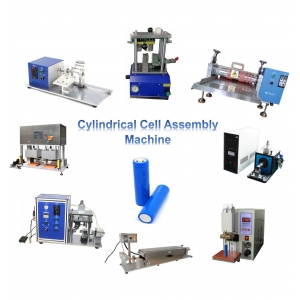
Cylindrical Cell Assembly Line
This optional section focuses on recovering valuable materials from spent batteries for reuse in new prototypes.
#Processes:
Shredding and sorting spent batteries.
Extracting and purifying materials such as lithium, cobalt, and nickel.
#Equipment:
Smallscale shredders.
Magnetic separators.
Hydrometallurgical processing equipment.
●3. Operations in a Battery Lab Plant
A. Experimentation and Prototyping
Scientists and engineers develop and test new battery chemistries, materials, and designs.
Iterative testing allows for rapid feedback and improvement.
B. Process Development
Optimization of manufacturing processes such as slurry mixing, coating, and assembly.
Validation of processes at pilot scale before scaling up to full production.
C. Data Collection and Analysis
Realtime data collection during experiments and testing.
Use of AI and machine learning algorithms to analyze data and optimize processes.
D. Collaboration
Collaboration with universities, research institutions, and industry partners to accelerate innovation.
Sharing of knowledge and resources to drive advancements in battery technology.
●4. Innovations in Battery Lab Plants
A. SolidState Battery Development
Research into solid electrolytes and interface engineering for solidstate batteries.
Development of fabrication techniques for allsolidstate cells.
B. Advanced Materials
Exploration of new cathode, anode, and electrolyte materials (e.g., siliconbased anodes, sodiumion chemistries).
Investigation of novel separator designs for improved safety and performance.
C. Sustainable Practices
Adoption of ecofriendly synthesis methods and recycling technologies.
Minimization of waste and energy consumption during experimentation.
D. Digitalization
Use of IoTenabled equipment for realtime monitoring and control.
Implementation of digital twins to simulate and optimize processes.
●5. Challenges in Battery Lab Plants
A. Scalability
Translating labscale successes into scalable manufacturing processes can be challenging.
Differences in equipment, environment, and operating conditions may affect results.
B. Cost
High costs associated with advanced equipment, materials, and personnel.
Limited funding for longterm research projects.
C. Safety
Handling hazardous materials (e.g., electrolytes, precursors) requires strict safety protocols.
Ensuring safe operation of highvoltage systems during testing.
D. Intellectual Property
Protecting intellectual property while collaborating with external partners.
●6. Market Trends and Future Outlook
A. NextGeneration Batteries
Increasing focus on developing solidstate, sodiumion, and other advanced chemistries.
Push toward higher energy density, faster charging, and improved safety.
B. Customization
Tailored solutions for specific applications (e.g., EVs, grid storage, consumer electronics).
C. Sustainability
Growing emphasis on sustainable battery technologies and recycling.
D. Global Competition
Intense competition among countries and companies to lead in battery innovation.
●7. Best Practices for Battery Lab Plants
A. Process Optimization
Continuously refine experimental procedures to improve efficiency and reduce variability.
B. Quality Control
Implement rigorous testing protocols to ensure consistent results across experiments.
C. Safety Standards
Adhere to safety guidelines for handling hazardous materials and highvoltage systems.
D. Collaboration
Foster partnerships with academia, industry, and government agencies to leverage expertise and resources.
E. Documentation
Maintain thorough documentation of experiments, results, and learnings for future reference.
●8. Importance of Battery Lab Plants
Battery lab plants play a crucial role in advancing battery technology by enabling the exploration of new materials, chemistries, and manufacturing processes. They help bridge the gap between fundamental research and industrialscale production, accelerating the development of nextgeneration batteries.
●9. Conclusion
Battery lab plants are vital for driving innovation in the battery industry. By combining research, prototyping, and smallscale production capabilities, these facilities enable the development of advanced battery technologies that meet the demands of modern applications. Through continuous improvement, collaboration, and adoption of sustainable practices, battery lab plants will continue to shape the future of energy storage.
If you're involved in designing, operating, or investing in battery lab plants, consider factors such as equipment selection, process optimization, and technological advancements. For further details or assistance, feel free to ask!
HOT PRODUCTS
-
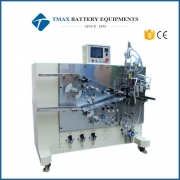 Automatic Cylinderical Battery Electrode Winding Machine
Read More
Automatic Cylinderical Battery Electrode Winding Machine
Read More
-
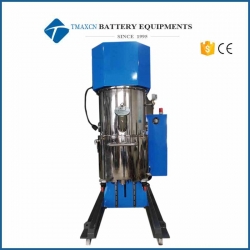 100-200L Double Planetary Vacuum Mixing Machine for Lithium Battery Slurry
Read More
100-200L Double Planetary Vacuum Mixing Machine for Lithium Battery Slurry
Read More
-
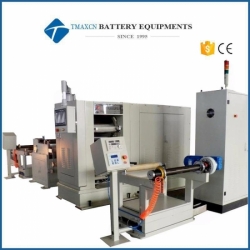 Large Heating Roller Press Machine Calender For Li ion Battery Production Line
Read More
Large Heating Roller Press Machine Calender For Li ion Battery Production Line
Read More
-
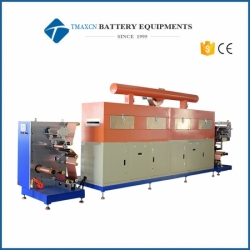 Large 3 Rollers Battery Electrode Film Intermittent Coating Machine for Pilot Production Line
Read More
Large 3 Rollers Battery Electrode Film Intermittent Coating Machine for Pilot Production Line
Read More
-
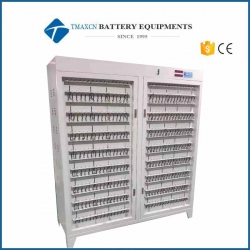 512 Channel 5V3A Battery Grading Machine/Battery Charge Discharge Machine Tester
Read More
512 Channel 5V3A Battery Grading Machine/Battery Charge Discharge Machine Tester
Read More
 David@battery-equipments.com

