 English▼



- Battery Manufacturing Equipment
- Battery Laboratory Assembly Equipment
- Battery Pack Assembly Equipment
- Sodium Ion Battery Manufacturing Equipment
- Solid State Cell Production Line
- Dry Electrode Assembly Equipment
- Supercapacitor Assembly Equipment
- Perovskite Solar Cell Lab Equipment
- Li ion Battery Materials
- Ni / Al / Cu Metal Foam
- Customized Electrode
- Cathode Active Materials
- Anode Active Materials
- Coin Cell Parts
- Lithium Chip
- Cylindrical Cell Parts
- Battery Current Collectors
- Battery Conductive Materials
- Electrolyte
- Battery Binder
- Separator and Tape
- Aluminum Laminate Film
- Nickel Strip/Foil
- Battery Tabs
- Graphene Materials
- Cu / Al / Ni / Stainless steel Foil
- Battery Laboratory Equipment
- Li ion Battery Tester
- Battery Safety Tester
- Material Characterization Tester
- Rolling Press Machine
- Electrode Mixer
- Coin Cell Crimping Machine
- Coin Cell Electrode Disc Punching
- Pouch Cell Sealing Machine
- Pouch Cell Stacking Machine
- Pouch Cell Forming Machine
- Pouch Cell Ultrasonic Welder
- Pouch Cell Electrode Die Cutter
- Cylinder Cell Sealing Machine
- Cylinder Cell Grooving Machine
- Electrode Slitting Machine
- Cylinder Cell Winding Machine
- Cylinder Cell Spot Welding Machine
- Electrolyte Filling
- Type Test Cell
- Other Battery Making Machine
- NMP Solvent Treatment System
- Vacuum Glove Box
- Coating Machine
- Lab Furnaces
- Ball Mill
- Laboratory Press
- Laboratory Equipment
- Press Equipment
blog
Exploring the External Short Circuit Tester
In the rapidly evolving world of energy storage, battery safety is paramount. Whether you're working with lithiumion batteries for electric vehicles (EVs), portable electronics, or largescale energy storage systems, ensuring that these power sources are safe and reliable is critical. One of the essential tools used in this process is the External Short Circuit Tester. This blog post will delve into what an external short circuit tester is, how it works, its importance in battery testing, and why it's a vital component of modern battery manufacturing processes.
●What is an External Short Circuit Tester?
An External Short Circuit Tester is a specialized device designed to simulate a short circuit condition on a battery or cell. The purpose of this test is to evaluate how the battery responds under extreme conditions where an unintended electrical connection occurs between the positive and negative terminals. By subjecting the battery to such conditions, manufacturers can assess its safety performance and ensure compliance with industry standards.
The tester typically consists of:
Test leads: These connect the battery terminals to the testing equipment.
Control circuits: To regulate the timing and intensity of the short circuit.
Safety mechanisms: To protect operators and equipment from potential hazards during testing.
●How Does an External Short Circuit Tester Work?
The operation of an external short circuit tester involves several key steps:
1. Preparation: The battery is charged to a specific state of charge (SOC) as defined by the test protocol. This ensures consistent results across different samples.
2. Short Circuit Application: The tester applies a direct short circuit between the battery's terminals for a predetermined duration. During this phase, the tester monitors various parameters, including voltage, current, temperature, and pressure.
3. Data Collection: Sensors integrated into the tester gather realtime data about the battery's behavior under stress. This information helps identify any anomalies or failures.
4. Analysis: After the test concludes, engineers analyze the collected data to determine whether the battery meets safety requirements. If issues arise, they can be addressed through design improvements or material adjustments.
●Why is External Short Circuit Testing Important?
Battery safety is a major concern due to the increasing reliance on highenergydensity cells. When batteries fail catastrophically—such as through thermal runaway—they pose significant risks to users. External short circuit testing plays a crucial role in mitigating these risks by:
1. Identifying Weaknesses: It highlights potential vulnerabilities in battery design, allowing manufacturers to refine their products before mass production.
2. Ensuring Compliance: Many industries have strict regulations governing battery safety. For example, the United Nations' Manual of Tests and Criteria outlines detailed procedures for short circuit testing. Using an external short circuit tester ensures compliance with these standards.
3. Improving Reliability: By simulating realworld fault scenarios, testers help create more robust and dependable batteries that can withstand unexpected conditions.
4. Protecting Users: Ultimately, thorough testing safeguards consumers by reducing the likelihood of hazardous incidents like fires or explosions.
External short circuit testers are widely used across various sectors where batteries play a pivotal role:
Automotive Industry: Electric vehicle manufacturers rigorously test batteries to guarantee passenger safety and vehicle longevity.
Consumer Electronics: Smartphones, laptops, and other gadgets require compact yet powerful batteries that must pass stringent safety checks.
Renewable Energy: Largescale energy storage systems rely on advanced battery technologies that need thorough validation to prevent accidents.
Medical Devices: Portable medical equipment demands highly reliable power sources that undergo comprehensive testing to ensure uninterrupted operation.
●Advancements in Technology
As technology continues to advance, so too does the sophistication of external short circuit testers. Modern devices often incorporate features such as:
Automated Testing: Reducing human error and improving efficiency through automated workflows.
RealTime Monitoring: Providing instant feedback on battery performance metrics.
Customizable Settings: Allowing users to tailor tests according to specific application needs.
Integration with IoT: Enabling remote access and analysis of test data via cloud platforms.
These enhancements not only streamline the testing process but also provide deeper insights into battery behavior, facilitating better decisionmaking.
●Conclusion
The external short circuit tester stands as a cornerstone of battery safety evaluation. By simulating adverse conditions and analyzing battery responses, it empowers manufacturers to produce safer, more reliable energy storage solutions. As demand for advanced batteries grows, so does the importance of rigorous testing protocols. Investing in cuttingedge testing equipment like the external short circuit tester ensures that we can harness the full potential of modern battery technology while keeping safety at the forefront.
Whether you're an engineer designing the next generation of EV batteries or a researcher exploring novel energy storage materials, understanding the capabilities and significance of external short circuit testers is essential. Together, we can build a future powered by efficient, sustainable, and secure energy sources.
- 2025-11-11
Xiamen Tmax Battery Equipments Limited was set up as a manufacturer in 1995, dealing with lithium battery equipments, technology, etc. We have total manufacturing facilities of around 200000 square foot and more than 230 staff. Owning a group of experie-nced engineers and staffs, we can bring you not only reliable products and technology, but also excellent services and real value you will expect and enjoy.
In the rapidly evolving world of energy storage, battery safety is paramount. Whether you're working with lithiumion batteries for electric vehicles (EVs), portable electronics, or largescale energy storage systems, ensuring that these power sources are safe and reliable is critical. One of the essential tools used in this process is the External Short Circuit Tester. This blog post will delve into what an external short circuit tester is, how it works, its importance in battery testing, and why it's a vital component of modern battery manufacturing processes.
●What is an External Short Circuit Tester?
An External Short Circuit Tester is a specialized device designed to simulate a short circuit condition on a battery or cell. The purpose of this test is to evaluate how the battery responds under extreme conditions where an unintended electrical connection occurs between the positive and negative terminals. By subjecting the battery to such conditions, manufacturers can assess its safety performance and ensure compliance with industry standards.
The tester typically consists of:
Test leads: These connect the battery terminals to the testing equipment.
Control circuits: To regulate the timing and intensity of the short circuit.
Safety mechanisms: To protect operators and equipment from potential hazards during testing.
●How Does an External Short Circuit Tester Work?
The operation of an external short circuit tester involves several key steps:
1. Preparation: The battery is charged to a specific state of charge (SOC) as defined by the test protocol. This ensures consistent results across different samples.
2. Short Circuit Application: The tester applies a direct short circuit between the battery's terminals for a predetermined duration. During this phase, the tester monitors various parameters, including voltage, current, temperature, and pressure.
3. Data Collection: Sensors integrated into the tester gather realtime data about the battery's behavior under stress. This information helps identify any anomalies or failures.
4. Analysis: After the test concludes, engineers analyze the collected data to determine whether the battery meets safety requirements. If issues arise, they can be addressed through design improvements or material adjustments.
●Why is External Short Circuit Testing Important?
Battery safety is a major concern due to the increasing reliance on highenergydensity cells. When batteries fail catastrophically—such as through thermal runaway—they pose significant risks to users. External short circuit testing plays a crucial role in mitigating these risks by:
1. Identifying Weaknesses: It highlights potential vulnerabilities in battery design, allowing manufacturers to refine their products before mass production.
2. Ensuring Compliance: Many industries have strict regulations governing battery safety. For example, the United Nations' Manual of Tests and Criteria outlines detailed procedures for short circuit testing. Using an external short circuit tester ensures compliance with these standards.
3. Improving Reliability: By simulating realworld fault scenarios, testers help create more robust and dependable batteries that can withstand unexpected conditions.
4. Protecting Users: Ultimately, thorough testing safeguards consumers by reducing the likelihood of hazardous incidents like fires or explosions.
External short circuit testers are widely used across various sectors where batteries play a pivotal role:
Automotive Industry: Electric vehicle manufacturers rigorously test batteries to guarantee passenger safety and vehicle longevity.
Consumer Electronics: Smartphones, laptops, and other gadgets require compact yet powerful batteries that must pass stringent safety checks.
Renewable Energy: Largescale energy storage systems rely on advanced battery technologies that need thorough validation to prevent accidents.
Medical Devices: Portable medical equipment demands highly reliable power sources that undergo comprehensive testing to ensure uninterrupted operation.
●Advancements in Technology
As technology continues to advance, so too does the sophistication of external short circuit testers. Modern devices often incorporate features such as:
Automated Testing: Reducing human error and improving efficiency through automated workflows.
RealTime Monitoring: Providing instant feedback on battery performance metrics.
Customizable Settings: Allowing users to tailor tests according to specific application needs.
Integration with IoT: Enabling remote access and analysis of test data via cloud platforms.
These enhancements not only streamline the testing process but also provide deeper insights into battery behavior, facilitating better decisionmaking.
●Conclusion
The external short circuit tester stands as a cornerstone of battery safety evaluation. By simulating adverse conditions and analyzing battery responses, it empowers manufacturers to produce safer, more reliable energy storage solutions. As demand for advanced batteries grows, so does the importance of rigorous testing protocols. Investing in cuttingedge testing equipment like the external short circuit tester ensures that we can harness the full potential of modern battery technology while keeping safety at the forefront.
Whether you're an engineer designing the next generation of EV batteries or a researcher exploring novel energy storage materials, understanding the capabilities and significance of external short circuit testers is essential. Together, we can build a future powered by efficient, sustainable, and secure energy sources.
Feel free to share your thoughts or questions about external short circuit testers in the comments below!
HOT PRODUCTS
-
 Automatic Cylinderical Battery Electrode Winding Machine
Read More
Automatic Cylinderical Battery Electrode Winding Machine
Read More
-
 100-200L Double Planetary Vacuum Mixing Machine for Lithium Battery Slurry
Read More
100-200L Double Planetary Vacuum Mixing Machine for Lithium Battery Slurry
Read More
-
 Large Heating Roller Press Machine Calender For Li ion Battery Production Line
Read More
Large Heating Roller Press Machine Calender For Li ion Battery Production Line
Read More
-
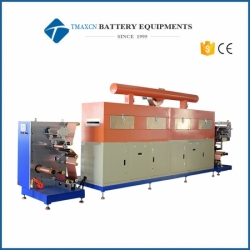 Large 3 Rollers Battery Electrode Film Intermittent Coating Machine for Pilot Production Line
Read More
Large 3 Rollers Battery Electrode Film Intermittent Coating Machine for Pilot Production Line
Read More
-
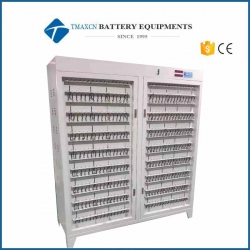 512 Channel 5V3A Battery Grading Machine/Battery Charge Discharge Machine Tester
Read More
512 Channel 5V3A Battery Grading Machine/Battery Charge Discharge Machine Tester
Read More
 David@battery-equipments.com

