 English▼



- Battery Manufacturing Equipment
- Battery Laboratory Assembly Equipment
- Battery Pack Assembly Equipment
- Sodium Ion Battery Manufacturing Equipment
- Solid State Cell Production Line
- Dry Electrode Assembly Equipment
- Supercapacitor Assembly Equipment
- Perovskite Solar Cell Lab Equipment
- Li ion Battery Materials
- Ni / Al / Cu Metal Foam
- Customized Electrode
- Cathode Active Materials
- Anode Active Materials
- Coin Cell Parts
- Lithium Chip
- Cylindrical Cell Parts
- Battery Current Collectors
- Battery Conductive Materials
- Electrolyte
- Battery Binder
- Separator and Tape
- Aluminum Laminate Film
- Nickel Strip/Foil
- Battery Tabs
- Graphene Materials
- Cu / Al / Ni / Stainless steel Foil
- Battery Laboratory Equipment
- Li ion Battery Tester
- Battery Safety Tester
- Material Characterization Tester
- Rolling Press Machine
- Electrode Mixer
- Coin Cell Crimping Machine
- Coin Cell Electrode Disc Punching
- Pouch Cell Sealing Machine
- Pouch Cell Stacking Machine
- Pouch Cell Forming Machine
- Pouch Cell Ultrasonic Welder
- Pouch Cell Electrode Die Cutter
- Cylinder Cell Sealing Machine
- Cylinder Cell Grooving Machine
- Electrode Slitting Machine
- Cylinder Cell Winding Machine
- Cylinder Cell Spot Welding Machine
- Electrolyte Filling
- Type Test Cell
- Other Battery Making Machine
- NMP Solvent Treatment System
- Vacuum Glove Box
- Coating Machine
- Lab Furnaces
- Ball Mill
- Laboratory Press
- Laboratory Equipment
- Press Equipment
blog
Hot Isostatic Pressing
Overview
Hot Isostatic Pressing (HIP) is a high-precision mechanical process used to densify metals, ceramics, and composite materials under simultaneous high temperature and isostatic gas pressure. The equipment, commonly referred to as HIP systems, enables the production of near-net-shape components with enhanced mechanical properties, uniform density, and reduced porosity. HIP is widely used in aerospace, automotive, biomedical, and advanced materials research due to its ability to improve strength, toughness, and fatigue resistance of critical components.
The system typically consists of a high-pressure vessel, heating elements, a gas pressurization unit, and precise temperature and pressure control mechanisms. By applying isotropic pressure using an inert gas—commonly argon—at elevated temperatures, HIP equipment consolidates powders, removes internal voids, and enhances microstructural uniformity in metals, ceramics, and other advanced materials.
Features
Modern HIP equipment incorporates advanced design features to ensure precision, safety, and versatility:
1. High-Pressure Vessel
The pressure chamber is constructed from high-strength alloys capable of withstanding pressures up to 200 MPa or higher while maintaining safety and integrity during operation.
2. Temperature Control System
Uniform heating is achieved through integrated electrical or induction heaters, allowing precise control of process temperatures, often exceeding 2000°C for refractory materials.
3. Isostatic Gas Pressurization
Inert gases, such as argon or nitrogen, provide uniform isostatic pressure on all surfaces of the component, eliminating internal voids and defects.
4. Automated Process Control
Modern HIP systems feature digital interfaces and programmable logic controllers (PLCs) for controlling pressure, temperature, and dwell time with high accuracy.
5. Safety Mechanisms
Safety interlocks, pressure relief valves, and temperature monitoring systems protect operators and equipment during high-pressure, high-temperature operation.
6. Flexible Load Handling
The equipment supports a variety of component sizes, shapes, and materials, including metal powders, ceramic components, and composite structures.
Process
Hot Isostatic Pressing follows a highly controlled sequence to achieve densification and material enhancement:
1. Component Loading
Powder compacts, green ceramics, or near-net-shape parts are placed inside the HIP vessel, often encapsulated in a gas-impermeable container or vacuum-sealed bag to prevent oxidation.
2. Vacuum or Inert Gas Purging
The chamber may be evacuated or purged with inert gas to remove oxygen and moisture that could compromise material quality.
3. Heating and Pressurization
The system simultaneously raises the temperature and applies isostatic gas pressure. The combination of heat and pressure promotes atomic diffusion, closing internal pores, and consolidating the material.
4. Dwell Period
The temperature and pressure are maintained for a controlled duration, ensuring complete densification and uniform microstructure throughout the component.
5. Cooling and Depressurization
Controlled cooling under pressure prevents cracking and distortion. Once cooled, the vessel is depressurized, and the densified components are removed for post-processing or final use.
HIP equipment has wide-ranging applications across multiple industries:
* Aerospace: Production of high-strength turbine blades, structural components, and superalloys with improved fatigue and creep resistance.
* Automotive: Fabrication of critical engine components, dies, and high-performance alloys with enhanced mechanical properties.
* Biomedical: Densification of titanium and cobalt-chrome implants for orthopedic and dental applications, ensuring structural integrity and biocompatibility.
* Materials Research: Consolidation of powders, ceramics, and composites for experimental studies on mechanical, thermal, and electrical properties.
* Energy and Power Generation: Fabrication of components for nuclear reactors, gas turbines, and high-temperature pressure vessels.
Advantages
Hot Isostatic Pressing offers several advantages that make it a preferred method for high-performance component fabrication:
1. Porosity Elimination: Produces near-fully dense components, reducing voids and internal defects.
2. Uniform Microstructure: Isostatic pressure ensures homogeneous material properties throughout the part.
3. Enhanced Mechanical Properties: Improves strength, toughness, fatigue resistance, and creep performance.
4. Versatility: Compatible with metals, ceramics, composites, and powder-based materials.
5. Near-Net-Shape Fabrication: Reduces post-processing, machining, and material waste.
6. Dimensional Stability: Minimizes distortion and shrinkage compared to conventional sintering or forging.
Conclusion
Hot Isostatic Pressing is a critical mechanical process and equipment platform for producing high-performance, fully dense materials with superior mechanical and structural properties. By combining uniform high-temperature heating with isostatic gas pressure, HIP systems eliminate internal porosity, enhance microstructural uniformity, and significantly improve material performance.
With applications spanning aerospace, automotive, biomedical, energy, and materials research, HIP equipment enables the fabrication of components that meet the most demanding standards of strength, durability, and reliability. Its versatility, precision, and efficiency make it indispensable for both experimental research and industrial manufacturing, supporting the development of next-generation materials and high-performance engineering components.
- 2026-03-27
Xiamen Tmax Battery Equipments Limited was set up as a manufacturer in 1995, dealing with lithium battery equipments, technology, etc. We have total manufacturing facilities of around 200000 square foot and more than 230 staff. Owning a group of experie-nced engineers and staffs, we can bring you not only reliable products and technology, but also excellent services and real value you will expect and enjoy.
Hot Isostatic Pressing: Advanced Mechanical Equipment for Material Densification and Fabrication
Overview
Hot Isostatic Pressing (HIP) is a high-precision mechanical process used to densify metals, ceramics, and composite materials under simultaneous high temperature and isostatic gas pressure. The equipment, commonly referred to as HIP systems, enables the production of near-net-shape components with enhanced mechanical properties, uniform density, and reduced porosity. HIP is widely used in aerospace, automotive, biomedical, and advanced materials research due to its ability to improve strength, toughness, and fatigue resistance of critical components.
The system typically consists of a high-pressure vessel, heating elements, a gas pressurization unit, and precise temperature and pressure control mechanisms. By applying isotropic pressure using an inert gas—commonly argon—at elevated temperatures, HIP equipment consolidates powders, removes internal voids, and enhances microstructural uniformity in metals, ceramics, and other advanced materials.
Features
Modern HIP equipment incorporates advanced design features to ensure precision, safety, and versatility:
1. High-Pressure Vessel
The pressure chamber is constructed from high-strength alloys capable of withstanding pressures up to 200 MPa or higher while maintaining safety and integrity during operation.
2. Temperature Control System
Uniform heating is achieved through integrated electrical or induction heaters, allowing precise control of process temperatures, often exceeding 2000°C for refractory materials.
3. Isostatic Gas Pressurization
Inert gases, such as argon or nitrogen, provide uniform isostatic pressure on all surfaces of the component, eliminating internal voids and defects.
4. Automated Process Control
Modern HIP systems feature digital interfaces and programmable logic controllers (PLCs) for controlling pressure, temperature, and dwell time with high accuracy.
5. Safety Mechanisms
Safety interlocks, pressure relief valves, and temperature monitoring systems protect operators and equipment during high-pressure, high-temperature operation.
6. Flexible Load Handling
The equipment supports a variety of component sizes, shapes, and materials, including metal powders, ceramic components, and composite structures.
Process
Hot Isostatic Pressing follows a highly controlled sequence to achieve densification and material enhancement:
1. Component Loading
Powder compacts, green ceramics, or near-net-shape parts are placed inside the HIP vessel, often encapsulated in a gas-impermeable container or vacuum-sealed bag to prevent oxidation.
2. Vacuum or Inert Gas Purging
The chamber may be evacuated or purged with inert gas to remove oxygen and moisture that could compromise material quality.
3. Heating and Pressurization
The system simultaneously raises the temperature and applies isostatic gas pressure. The combination of heat and pressure promotes atomic diffusion, closing internal pores, and consolidating the material.
4. Dwell Period
The temperature and pressure are maintained for a controlled duration, ensuring complete densification and uniform microstructure throughout the component.
5. Cooling and Depressurization
Controlled cooling under pressure prevents cracking and distortion. Once cooled, the vessel is depressurized, and the densified components are removed for post-processing or final use.
HIP equipment has wide-ranging applications across multiple industries:
* Aerospace: Production of high-strength turbine blades, structural components, and superalloys with improved fatigue and creep resistance.
* Automotive: Fabrication of critical engine components, dies, and high-performance alloys with enhanced mechanical properties.
* Biomedical: Densification of titanium and cobalt-chrome implants for orthopedic and dental applications, ensuring structural integrity and biocompatibility.
* Materials Research: Consolidation of powders, ceramics, and composites for experimental studies on mechanical, thermal, and electrical properties.
* Energy and Power Generation: Fabrication of components for nuclear reactors, gas turbines, and high-temperature pressure vessels.
Advantages
Hot Isostatic Pressing offers several advantages that make it a preferred method for high-performance component fabrication:
1. Porosity Elimination: Produces near-fully dense components, reducing voids and internal defects.
2. Uniform Microstructure: Isostatic pressure ensures homogeneous material properties throughout the part.
3. Enhanced Mechanical Properties: Improves strength, toughness, fatigue resistance, and creep performance.
4. Versatility: Compatible with metals, ceramics, composites, and powder-based materials.
5. Near-Net-Shape Fabrication: Reduces post-processing, machining, and material waste.
6. Dimensional Stability: Minimizes distortion and shrinkage compared to conventional sintering or forging.
Conclusion
Hot Isostatic Pressing is a critical mechanical process and equipment platform for producing high-performance, fully dense materials with superior mechanical and structural properties. By combining uniform high-temperature heating with isostatic gas pressure, HIP systems eliminate internal porosity, enhance microstructural uniformity, and significantly improve material performance.
With applications spanning aerospace, automotive, biomedical, energy, and materials research, HIP equipment enables the fabrication of components that meet the most demanding standards of strength, durability, and reliability. Its versatility, precision, and efficiency make it indispensable for both experimental research and industrial manufacturing, supporting the development of next-generation materials and high-performance engineering components.
HOT PRODUCTS
-
 Automatic Cylinderical Battery Electrode Winding Machine
Read More
Automatic Cylinderical Battery Electrode Winding Machine
Read More
-
 100-200L Double Planetary Vacuum Mixing Machine for Lithium Battery Slurry
Read More
100-200L Double Planetary Vacuum Mixing Machine for Lithium Battery Slurry
Read More
-
 Large Heating Roller Press Machine Calender For Li ion Battery Production Line
Read More
Large Heating Roller Press Machine Calender For Li ion Battery Production Line
Read More
-
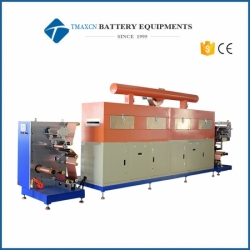 Large 3 Rollers Battery Electrode Film Intermittent Coating Machine for Pilot Production Line
Read More
Large 3 Rollers Battery Electrode Film Intermittent Coating Machine for Pilot Production Line
Read More
-
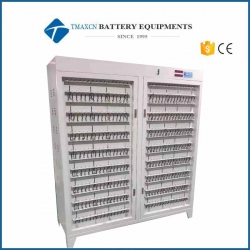 512 Channel 5V3A Battery Grading Machine/Battery Charge Discharge Machine Tester
Read More
512 Channel 5V3A Battery Grading Machine/Battery Charge Discharge Machine Tester
Read More
 David@battery-equipments.com

