 English▼



- Battery Manufacturing Equipment
- Battery Laboratory Assembly Equipment
- Battery Pack Assembly Equipment
- Sodium Ion Battery Manufacturing Equipment
- Solid State Cell Production Line
- Dry Electrode Assembly Equipment
- Supercapacitor Assembly Equipment
- Perovskite Solar Cell Lab Equipment
- Li ion Battery Materials
- Ni / Al / Cu Metal Foam
- Customized Electrode
- Cathode Active Materials
- Anode Active Materials
- Coin Cell Parts
- Lithium Chip
- Cylindrical Cell Parts
- Battery Current Collectors
- Battery Conductive Materials
- Electrolyte
- Battery Binder
- Separator and Tape
- Aluminum Laminate Film
- Nickel Strip/Foil
- Battery Tabs
- Graphene Materials
- Cu / Al / Ni / Stainless steel Foil
- Battery Laboratory Equipment
- Li ion Battery Tester
- Battery Safety Tester
- Material Characterization Tester
- Rolling Press Machine
- Electrode Mixer
- Coin Cell Crimping Machine
- Coin Cell Electrode Disc Punching
- Pouch Cell Sealing Machine
- Pouch Cell Stacking Machine
- Pouch Cell Forming Machine
- Pouch Cell Ultrasonic Welder
- Pouch Cell Electrode Die Cutter
- Cylinder Cell Sealing Machine
- Cylinder Cell Grooving Machine
- Electrode Slitting Machine
- Cylinder Cell Winding Machine
- Cylinder Cell Spot Welding Machine
- Electrolyte Filling
- Type Test Cell
- Other Battery Making Machine
- NMP Solvent Treatment System
- Vacuum Glove Box
- Coating Machine
- Lab Furnaces
- Ball Mill
- Laboratory Press
- Laboratory Equipment
- Press Equipment
blog
Altitude Simulation Pressure Tester
- 2025-02-28
An Altitude Simulation Pressure Tester is a specialized piece of equipment designed to simulate high-altitude conditions by creating low-pressure environments. This type of tester is widely used in aerospace, automotive, electronics, packaging, and medical industries to evaluate the performance, durability, and safety of products under conditions similar to those experienced at high altitudes.
---
●Purpose of Altitude Simulation Pressure Testers
1. Product Testing:
- Ensures that products can withstand the pressure changes encountered during air travel, space missions, or high-altitude operations.
2. Leak Detection:
- Identifies leaks in sealed components, such as containers, packages, or electronic devices, under vacuum conditions.
3. Structural Integrity:
- Tests the structural strength of materials and assemblies when exposed to reduced atmospheric pressure.
4. Environmental Simulation:
- Simulates real-world altitude conditions for research and development purposes.
---
●How Does an Altitude Simulation Pressure Tester Work?
1. Vacuum Chamber:
- The tester typically includes a sealed chamber where the test specimen is placed.
- The chamber is evacuated using a vacuum pump to create a low-pressure environment.
2. Pressure Control:
- The tester can precisely control and maintain specific pressure levels corresponding to different altitudes.
- For example:
- Sea level: ~101 kPa (1 atm)
- 10,000 feet (~3 km): ~69 kPa
- 50,000 feet (~15 km): ~2.6 kPa
3. Monitoring and Data Collection:
- Sensors measure pressure, temperature, and other parameters inside the chamber.
- Data is recorded and analyzed to assess the performance of the test specimen.
4. Cycle Testing:
- Some testers allow for repeated cycles of pressure changes to simulate long-term exposure to varying altitudes.
---
●Key Components of an Altitude Simulation Pressure Tester
1. Test Chamber:
- A sealed container where the test specimen is placed.
- Made of durable materials to withstand vacuum pressures.
2. Vacuum Pump:
- Removes air from the chamber to create the desired low-pressure environment.
3. Pressure Control System:
- Regulates and maintains the pressure within the chamber.
4. Temperature Control System:
- Optional feature to simulate temperature changes associated with altitude.
5. Data Acquisition System:
- Monitors and records test parameters such as pressure, temperature, and time.
6. Safety Features:
- Includes overpressure protection, leak detection, and emergency shutdown mechanisms.
---
●Applications of Altitude Simulation Pressure Testers
1. Aerospace Industry:
- Testing aircraft components, satellite parts, and spacecraft materials for performance at high altitudes.
2. Automotive Industry:
- Evaluating vehicle systems, such as fuel tanks and tires, for operation at high altitudes.
3. Electronics Industry:
- Ensuring electronic devices can function reliably in low-pressure environments.
4. Packaging Industry:
- Testing the integrity of food, pharmaceutical, and consumer product packaging during air transport.
5. Medical Industry:
- Assessing the performance of medical devices and drug delivery systems under simulated altitude conditions.
6. Research and Development:
- Studying the effects of altitude on materials, biological samples, and scientific experiments.
---
●Advantages of Altitude Simulation Pressure Testers
1. Accurate Simulation:
- Provides precise control over pressure levels to replicate real-world altitude conditions.
2. Customizable Testing:
- Allows users to define specific test parameters, including pressure, temperature, and duration.
3. Improved Product Reliability:
- Helps identify potential issues before products are deployed in actual high-altitude environments.
4. Cost-Effective:
- Reduces the need for expensive field testing by simulating conditions in a controlled laboratory setting.
---
●Challenges and Limitations
1. Initial Cost:
- High-quality altitude simulation pressure testers can be expensive to purchase and maintain.
2. Size Constraints:
- Larger test specimens may require oversized chambers, which increase costs and complexity.
3. Material Compatibility:
- Some materials may degrade or react unexpectedly under extreme low-pressure conditions.
4. Operational Safety:
- Proper training and safety protocols are essential to prevent accidents during testing.
---
●Types of Altitude Simulation Pressure Testers
1. Tabletop Models:
- Compact and portable, suitable for small-scale testing.
2. Walk-In Chambers:
- Large-scale chambers capable of testing entire systems or vehicles.
3. Portable Units:
- Designed for field use, allowing tests to be conducted in remote locations.
4. Specialized Testers:
- Custom-built for specific applications, such as cryogenic testing or extreme temperature simulation.
---
●Standards and Regulations
Altitude simulation pressure testers often comply with international standards to ensure consistent and reliable testing results. Common standards include:
- ISO 16750: Environmental conditions and testing for electrical and electronic equipment.
- MIL-STD-810: U.S. military standard for environmental engineering considerations and laboratory tests.
- ASTM D6653: Standard test method for determining the effect of altitude on packaging.
---
●Conclusion
An altitude simulation pressure tester is a critical tool for evaluating the performance and reliability of products under high-altitude conditions. Its ability to simulate low-pressure environments makes it indispensable in industries ranging from aerospace to consumer goods. By identifying potential issues early in the design and manufacturing process, these testers help improve product quality, safety, and durability while reducing costs associated with failures in real-world applications.

---
●Purpose of Altitude Simulation Pressure Testers
1. Product Testing:
- Ensures that products can withstand the pressure changes encountered during air travel, space missions, or high-altitude operations.
2. Leak Detection:
- Identifies leaks in sealed components, such as containers, packages, or electronic devices, under vacuum conditions.
3. Structural Integrity:
- Tests the structural strength of materials and assemblies when exposed to reduced atmospheric pressure.
4. Environmental Simulation:
- Simulates real-world altitude conditions for research and development purposes.
---
●How Does an Altitude Simulation Pressure Tester Work?
1. Vacuum Chamber:
- The tester typically includes a sealed chamber where the test specimen is placed.
- The chamber is evacuated using a vacuum pump to create a low-pressure environment.
2. Pressure Control:
- The tester can precisely control and maintain specific pressure levels corresponding to different altitudes.
- For example:
- Sea level: ~101 kPa (1 atm)
- 10,000 feet (~3 km): ~69 kPa
- 50,000 feet (~15 km): ~2.6 kPa
3. Monitoring and Data Collection:
- Sensors measure pressure, temperature, and other parameters inside the chamber.
- Data is recorded and analyzed to assess the performance of the test specimen.
4. Cycle Testing:
- Some testers allow for repeated cycles of pressure changes to simulate long-term exposure to varying altitudes.
---
●Key Components of an Altitude Simulation Pressure Tester
1. Test Chamber:
- A sealed container where the test specimen is placed.
- Made of durable materials to withstand vacuum pressures.
2. Vacuum Pump:
- Removes air from the chamber to create the desired low-pressure environment.
3. Pressure Control System:
- Regulates and maintains the pressure within the chamber.
4. Temperature Control System:
- Optional feature to simulate temperature changes associated with altitude.
5. Data Acquisition System:
- Monitors and records test parameters such as pressure, temperature, and time.
6. Safety Features:
- Includes overpressure protection, leak detection, and emergency shutdown mechanisms.
---
●Applications of Altitude Simulation Pressure Testers
1. Aerospace Industry:
- Testing aircraft components, satellite parts, and spacecraft materials for performance at high altitudes.
2. Automotive Industry:
- Evaluating vehicle systems, such as fuel tanks and tires, for operation at high altitudes.
3. Electronics Industry:
- Ensuring electronic devices can function reliably in low-pressure environments.
4. Packaging Industry:
- Testing the integrity of food, pharmaceutical, and consumer product packaging during air transport.
5. Medical Industry:
- Assessing the performance of medical devices and drug delivery systems under simulated altitude conditions.
6. Research and Development:
- Studying the effects of altitude on materials, biological samples, and scientific experiments.
---
●Advantages of Altitude Simulation Pressure Testers
1. Accurate Simulation:
- Provides precise control over pressure levels to replicate real-world altitude conditions.
2. Customizable Testing:
- Allows users to define specific test parameters, including pressure, temperature, and duration.
3. Improved Product Reliability:
- Helps identify potential issues before products are deployed in actual high-altitude environments.
4. Cost-Effective:
- Reduces the need for expensive field testing by simulating conditions in a controlled laboratory setting.
---
●Challenges and Limitations
1. Initial Cost:
- High-quality altitude simulation pressure testers can be expensive to purchase and maintain.
2. Size Constraints:
- Larger test specimens may require oversized chambers, which increase costs and complexity.
3. Material Compatibility:
- Some materials may degrade or react unexpectedly under extreme low-pressure conditions.
4. Operational Safety:
- Proper training and safety protocols are essential to prevent accidents during testing.
---
●Types of Altitude Simulation Pressure Testers
1. Tabletop Models:
- Compact and portable, suitable for small-scale testing.
2. Walk-In Chambers:
- Large-scale chambers capable of testing entire systems or vehicles.
3. Portable Units:
- Designed for field use, allowing tests to be conducted in remote locations.
4. Specialized Testers:
- Custom-built for specific applications, such as cryogenic testing or extreme temperature simulation.
---
●Standards and Regulations
Altitude simulation pressure testers often comply with international standards to ensure consistent and reliable testing results. Common standards include:
- ISO 16750: Environmental conditions and testing for electrical and electronic equipment.
- MIL-STD-810: U.S. military standard for environmental engineering considerations and laboratory tests.
- ASTM D6653: Standard test method for determining the effect of altitude on packaging.
---
●Conclusion
An altitude simulation pressure tester is a critical tool for evaluating the performance and reliability of products under high-altitude conditions. Its ability to simulate low-pressure environments makes it indispensable in industries ranging from aerospace to consumer goods. By identifying potential issues early in the design and manufacturing process, these testers help improve product quality, safety, and durability while reducing costs associated with failures in real-world applications.
HOT PRODUCTS
-
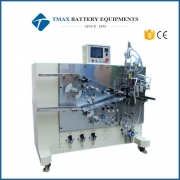 Automatic Cylinderical Battery Electrode Winding Machine
Read More
Automatic Cylinderical Battery Electrode Winding Machine
Read More
-
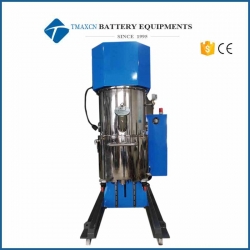 100-200L Double Planetary Vacuum Mixing Machine for Lithium Battery Slurry
Read More
100-200L Double Planetary Vacuum Mixing Machine for Lithium Battery Slurry
Read More
-
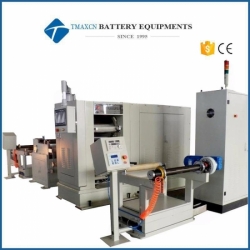 Large Heating Roller Press Machine Calender For Li ion Battery Production Line
Read More
Large Heating Roller Press Machine Calender For Li ion Battery Production Line
Read More
-
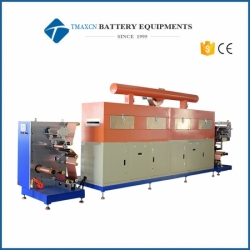 Large 3 Rollers Battery Electrode Film Intermittent Coating Machine for Pilot Production Line
Read More
Large 3 Rollers Battery Electrode Film Intermittent Coating Machine for Pilot Production Line
Read More
-
 512 Channel 5V3A Battery Grading Machine/Battery Charge Discharge Machine Tester
Read More
512 Channel 5V3A Battery Grading Machine/Battery Charge Discharge Machine Tester
Read More
 David@battery-equipments.com

