 English▼



- Battery Manufacturing Equipment
- Battery Laboratory Assembly Equipment
- Battery Pack Assembly Equipment
- Sodium Ion Battery Manufacturing Equipment
- Solid State Cell Production Line
- Dry Electrode Assembly Equipment
- Supercapacitor Assembly Equipment
- Perovskite Solar Cell Lab Equipment
- Li ion Battery Materials
- Ni / Al / Cu Metal Foam
- Customized Electrode
- Cathode Active Materials
- Anode Active Materials
- Coin Cell Parts
- Lithium Chip
- Cylindrical Cell Parts
- Battery Current Collectors
- Battery Conductive Materials
- Electrolyte
- Battery Binder
- Separator and Tape
- Aluminum Laminate Film
- Nickel Strip/Foil
- Battery Tabs
- Graphene Materials
- Cu / Al / Ni / Stainless steel Foil
- Battery Laboratory Equipment
- Li ion Battery Tester
- Battery Safety Tester
- Material Characterization Tester
- Rolling Press Machine
- Electrode Mixer
- Coin Cell Crimping Machine
- Coin Cell Electrode Disc Punching
- Pouch Cell Sealing Machine
- Pouch Cell Stacking Machine
- Pouch Cell Forming Machine
- Pouch Cell Ultrasonic Welder
- Pouch Cell Electrode Die Cutter
- Cylinder Cell Sealing Machine
- Cylinder Cell Grooving Machine
- Electrode Slitting Machine
- Cylinder Cell Winding Machine
- Cylinder Cell Spot Welding Machine
- Electrolyte Filling
- Type Test Cell
- Other Battery Making Machine
- NMP Solvent Treatment System
- Vacuum Glove Box
- Coating Machine
- Lab Furnaces
- Ball Mill
- Laboratory Press
- Laboratory Equipment
- Press Equipment
blog
Prismatic Cell Fabrication
Prismatic cell fabrication refers to the manufacturing process of lithiumion batteries with a flat, rectangular shape. These cells are widely used in electric vehicles (EVs), energy storage systems (ESS), consumer electronics, and other applications due to their high energy density, structural rigidity, and efficient space utilization. The fabrication process involves several intricate steps, from raw material preparation to final assembly and testing.
Below is a detailed overview of prismatic cell fabrication, including its key processes, techniques, challenges, and innovations.
●1. Overview of Prismatic Cell Fabrication
Prismatic cells are fabricated by assembling electrodes, separators, electrolytes, and casing materials into a rigid metal enclosure. The process requires precision and advanced manufacturing techniques to ensure consistent performance, safety, and reliability. The main stages of prismatic cell fabrication include:
1. Material Preparation
2. Electrode Coating and Cutting
3. Stacking or Lamination
4. Cell Casing and Sealing
5. Electrolyte Filling
6. Formation and Testing
Each stage plays a critical role in determining the quality and performance of the final product.
●2. Key Steps in Prismatic Cell Fabrication
A. Material Preparation
Cathode Material: Lithiumbased compounds such as lithium cobalt oxide (LCO), lithium iron phosphate (LFP), nickelmanganesecobalt (NMC), or nickelcobaltaluminum (NCA) are mixed with binders and conductive additives.
Anode Material: Graphite or silicongraphite composites are prepared for the anode.
Separator: A thin, porous polymer film (e.g., polyethylene or polypropylene) is used to separate the cathode and anode while allowing ion movement.
Electrolyte: A lithium salt dissolved in an organic solvent (e.g., LiPF6 in carbonate solvents) is prepared for ion transport.
#Techniques:
Mixing and homogenization of active materials, binders, and conductive agents using highshear mixers or planetary mixers.
B. Electrode Coating and Cutting
1. Coating: Active materials are coated onto metal foils (aluminum for cathodes, copper for anodes) using slot die coaters or doctor blade coaters.
Slot Die Coating: Ideal for uniform thickness and highspeed production.
Doctor Blade Coating: Suitable for thicker coatings and higher viscosity materials.
2. Drying: The coated electrodes are dried in ovens to remove solvents and achieve uniform thickness.
3. Calendering: The dried electrodes are compressed to increase density and improve electrical conductivity.
4. Cutting: Electrodes are cut into specific dimensions based on the cell design.
#Techniques:
Precise control of coating thickness, drying temperature, and calendering pressure is essential for optimal performance.
C. Stacking or Lamination
The cathode, separator, and anode layers are stacked or laminated together in an alternating pattern. For prismatic cells, this is typically done in a "Zfold" or "stacked" configuration rather than the wound structure used in cylindrical cells.
Precision alignment is crucial to avoid short circuits and ensure uniform current distribution.
#Techniques:
Automated stacking machines use vision systems and robotic arms to ensure accurate alignment of electrode layers.
Ultrasonic welding or laser welding may be used to connect tabs for electrical connections.
D. Cell Casing and Sealing
The electrode stack is placed into a prismatic metal case, which provides structural support and protection.
The case is hermetically sealed to prevent electrolyte leakage and contamination.
#Techniques:
Laser welding or resistance welding is used to seal the metal casing.
Gaskets or seals may be used to enhance sealing performance.
E. Electrolyte Filling
An electrolyte solution is injected into the cell through a small opening in the casing. Vacuumassisted filling ensures complete wetting of the separator and electrodes.
#Techniques:
Precision dispensing systems control the amount and flow rate of electrolyte during filling.
Vacuum chambers remove air bubbles and ensure uniform wetting.
F. Formation and Testing
The assembled cell undergoes formation cycles (charging and discharging) to activate the materials and form a stable solidelectrolyte interphase (SEI) layer.
Final testing evaluates key performance parameters such as capacity, internal resistance, cycle life, and safety.
#Techniques:
Formation processes are conducted under controlled conditions to optimize SEI formation and battery performance.
Advanced testing equipment measures voltage, current, temperature, and other parameters during cycling.
●3. Advantages of Prismatic Cells
| Advantage | Description |
|||
| Space Optimization | Flat, rectangular shape maximizes space utilization in compact designs. |
| Structural Integrity | Rigid metal casing provides excellent mechanical strength and durability. |
| High Energy Density | Advanced materials and stacking techniques enable high energy storage capacity. |
| Thermal Stability | Improved heat dissipation due to the large surface area of the prismatic shape. |
| Safety | Reduced risk of swelling compared to pouch cells. |
●4. Challenges in Prismatic Cell Fabrication
A. Manufacturing Complexity
Precision is required during stacking and lamination to avoid misalignment or short circuits.
Ensuring uniform coating thickness and density across large electrode sheets is challenging.
B. Cost
The use of metal casings and complex assembly processes increases production costs compared to pouch cells.
Highquality materials and advanced equipment further add to the expense.
C. Weight
The rigid metal casing adds weight, which can be a disadvantage in weightsensitive applications like EVs.
D. Scalability
Achieving highthroughput production requires significant investment in automation and quality control systems.
E. Safety
Proper sealing and electrolyte management are critical to prevent leaks, thermal runaway, or other safety issues.
●5. Innovations in Prismatic Cell Fabrication
A. Advanced Materials
Development of new cathode materials (e.g., NMC, NCA, LFP) and siliconbased anodes to improve energy density and cycle life.
Solidstate electrolytes offer the potential for safer and more efficient prismatic cells.
B. Automation and Digitalization
Implementation of robotics, AI, and machine learning enhances precision, reduces defects, and improves throughput.
Realtime monitoring and predictive maintenance optimize production efficiency.
C. Sustainable Practices
Recycling of spent batteries to recover valuable materials like lithium, cobalt, and nickel.
Use of ecofriendly solvents and processes to minimize environmental impact.
D. Modular Designs
Development of modular prismatic cells for easier integration into battery packs and systems.
●6. Market Trends and Future Outlook
A. Growing Demand for EVs
The rapid adoption of electric vehicles drives demand for prismatic cells with higher energy density, faster charging capabilities, and lower costs.
B. SolidState Batteries
Research into solidstate electrolytes could lead to safer and more efficient prismatic cells, reducing the risk of thermal runaway.
C. Gigafactories
Largescale battery manufacturing facilities (gigafactories) are being established worldwide to meet growing demand, driving down costs through economies of scale.
D. Customization
Increasing focus on customizing prismatic cells for specific applications, such as longrange EVs, grid storage, or portable electronics.
●7. Conclusion
Prismatic cell fabrication is a highly specialized process that combines advanced materials, precise engineering, and cuttingedge technology to produce highperformance lithiumion batteries. Despite challenges related to cost, complexity, and scalability, ongoing innovations in materials, automation, and sustainability are paving the way for the next generation of prismatic cells.
- 2025-07-11
Xiamen Tmax Battery Equipments Limited was set up as a manufacturer in 1995, dealing with lithium battery equipments, technology, etc. We have total manufacturing facilities of around 200000 square foot and more than 230 staff. Owning a group of experie-nced engineers and staffs, we can bring you not only reliable products and technology, but also excellent services and real value you will expect and enjoy.
Prismatic cell fabrication refers to the manufacturing process of lithiumion batteries with a flat, rectangular shape. These cells are widely used in electric vehicles (EVs), energy storage systems (ESS), consumer electronics, and other applications due to their high energy density, structural rigidity, and efficient space utilization. The fabrication process involves several intricate steps, from raw material preparation to final assembly and testing.
Below is a detailed overview of prismatic cell fabrication, including its key processes, techniques, challenges, and innovations.
●1. Overview of Prismatic Cell Fabrication
Prismatic cells are fabricated by assembling electrodes, separators, electrolytes, and casing materials into a rigid metal enclosure. The process requires precision and advanced manufacturing techniques to ensure consistent performance, safety, and reliability. The main stages of prismatic cell fabrication include:
1. Material Preparation
2. Electrode Coating and Cutting
3. Stacking or Lamination
4. Cell Casing and Sealing
5. Electrolyte Filling
6. Formation and Testing
Each stage plays a critical role in determining the quality and performance of the final product.
●2. Key Steps in Prismatic Cell Fabrication
A. Material Preparation
Cathode Material: Lithiumbased compounds such as lithium cobalt oxide (LCO), lithium iron phosphate (LFP), nickelmanganesecobalt (NMC), or nickelcobaltaluminum (NCA) are mixed with binders and conductive additives.
Anode Material: Graphite or silicongraphite composites are prepared for the anode.
Separator: A thin, porous polymer film (e.g., polyethylene or polypropylene) is used to separate the cathode and anode while allowing ion movement.
Electrolyte: A lithium salt dissolved in an organic solvent (e.g., LiPF6 in carbonate solvents) is prepared for ion transport.
#Techniques:
Mixing and homogenization of active materials, binders, and conductive agents using highshear mixers or planetary mixers.
B. Electrode Coating and Cutting
1. Coating: Active materials are coated onto metal foils (aluminum for cathodes, copper for anodes) using slot die coaters or doctor blade coaters.
Slot Die Coating: Ideal for uniform thickness and highspeed production.
Doctor Blade Coating: Suitable for thicker coatings and higher viscosity materials.
2. Drying: The coated electrodes are dried in ovens to remove solvents and achieve uniform thickness.
3. Calendering: The dried electrodes are compressed to increase density and improve electrical conductivity.
4. Cutting: Electrodes are cut into specific dimensions based on the cell design.
#Techniques:
Precise control of coating thickness, drying temperature, and calendering pressure is essential for optimal performance.
C. Stacking or Lamination
The cathode, separator, and anode layers are stacked or laminated together in an alternating pattern. For prismatic cells, this is typically done in a "Zfold" or "stacked" configuration rather than the wound structure used in cylindrical cells.
Precision alignment is crucial to avoid short circuits and ensure uniform current distribution.
#Techniques:
Automated stacking machines use vision systems and robotic arms to ensure accurate alignment of electrode layers.
Ultrasonic welding or laser welding may be used to connect tabs for electrical connections.
D. Cell Casing and Sealing
The electrode stack is placed into a prismatic metal case, which provides structural support and protection.
The case is hermetically sealed to prevent electrolyte leakage and contamination.
#Techniques:
Laser welding or resistance welding is used to seal the metal casing.
Gaskets or seals may be used to enhance sealing performance.
E. Electrolyte Filling
An electrolyte solution is injected into the cell through a small opening in the casing. Vacuumassisted filling ensures complete wetting of the separator and electrodes.
#Techniques:
Precision dispensing systems control the amount and flow rate of electrolyte during filling.
Vacuum chambers remove air bubbles and ensure uniform wetting.
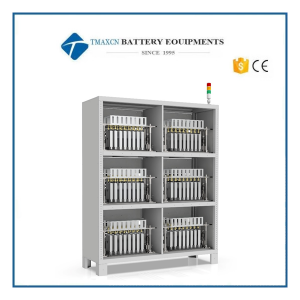
Negative Pressure Formation Machine
F. Formation and Testing
The assembled cell undergoes formation cycles (charging and discharging) to activate the materials and form a stable solidelectrolyte interphase (SEI) layer.
Final testing evaluates key performance parameters such as capacity, internal resistance, cycle life, and safety.
#Techniques:
Formation processes are conducted under controlled conditions to optimize SEI formation and battery performance.
Advanced testing equipment measures voltage, current, temperature, and other parameters during cycling.
●3. Advantages of Prismatic Cells
| Advantage | Description |
|||
| Space Optimization | Flat, rectangular shape maximizes space utilization in compact designs. |
| Structural Integrity | Rigid metal casing provides excellent mechanical strength and durability. |
| High Energy Density | Advanced materials and stacking techniques enable high energy storage capacity. |
| Thermal Stability | Improved heat dissipation due to the large surface area of the prismatic shape. |
| Safety | Reduced risk of swelling compared to pouch cells. |
●4. Challenges in Prismatic Cell Fabrication
A. Manufacturing Complexity
Precision is required during stacking and lamination to avoid misalignment or short circuits.
Ensuring uniform coating thickness and density across large electrode sheets is challenging.
B. Cost
The use of metal casings and complex assembly processes increases production costs compared to pouch cells.
Highquality materials and advanced equipment further add to the expense.
C. Weight
The rigid metal casing adds weight, which can be a disadvantage in weightsensitive applications like EVs.
D. Scalability
Achieving highthroughput production requires significant investment in automation and quality control systems.
E. Safety
Proper sealing and electrolyte management are critical to prevent leaks, thermal runaway, or other safety issues.
●5. Innovations in Prismatic Cell Fabrication
A. Advanced Materials
Development of new cathode materials (e.g., NMC, NCA, LFP) and siliconbased anodes to improve energy density and cycle life.
Solidstate electrolytes offer the potential for safer and more efficient prismatic cells.
B. Automation and Digitalization
Implementation of robotics, AI, and machine learning enhances precision, reduces defects, and improves throughput.
Realtime monitoring and predictive maintenance optimize production efficiency.
C. Sustainable Practices
Recycling of spent batteries to recover valuable materials like lithium, cobalt, and nickel.
Use of ecofriendly solvents and processes to minimize environmental impact.
D. Modular Designs
Development of modular prismatic cells for easier integration into battery packs and systems.
●6. Market Trends and Future Outlook
A. Growing Demand for EVs
The rapid adoption of electric vehicles drives demand for prismatic cells with higher energy density, faster charging capabilities, and lower costs.
B. SolidState Batteries
Research into solidstate electrolytes could lead to safer and more efficient prismatic cells, reducing the risk of thermal runaway.
C. Gigafactories
Largescale battery manufacturing facilities (gigafactories) are being established worldwide to meet growing demand, driving down costs through economies of scale.
D. Customization
Increasing focus on customizing prismatic cells for specific applications, such as longrange EVs, grid storage, or portable electronics.
●7. Conclusion
Prismatic cell fabrication is a highly specialized process that combines advanced materials, precise engineering, and cuttingedge technology to produce highperformance lithiumion batteries. Despite challenges related to cost, complexity, and scalability, ongoing innovations in materials, automation, and sustainability are paving the way for the next generation of prismatic cells.
If you're involved in prismatic cell fabrication or planning to develop related technologies, consider factors such as material selection, process optimization, and market trends. For further details or assistance, feel free to ask!
HOT PRODUCTS
-
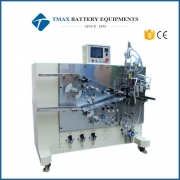 Automatic Cylinderical Battery Electrode Winding Machine
Read More
Automatic Cylinderical Battery Electrode Winding Machine
Read More
-
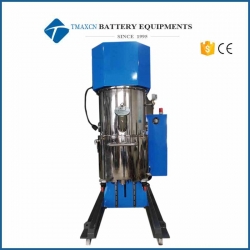 100-200L Double Planetary Vacuum Mixing Machine for Lithium Battery Slurry
Read More
100-200L Double Planetary Vacuum Mixing Machine for Lithium Battery Slurry
Read More
-
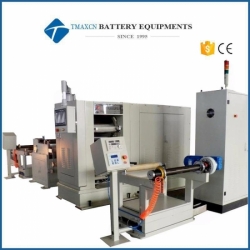 Large Heating Roller Press Machine Calender For Li ion Battery Production Line
Read More
Large Heating Roller Press Machine Calender For Li ion Battery Production Line
Read More
-
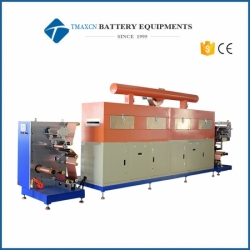 Large 3 Rollers Battery Electrode Film Intermittent Coating Machine for Pilot Production Line
Read More
Large 3 Rollers Battery Electrode Film Intermittent Coating Machine for Pilot Production Line
Read More
-
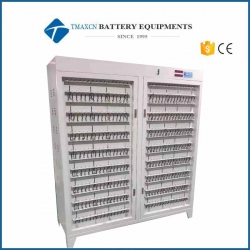 512 Channel 5V3A Battery Grading Machine/Battery Charge Discharge Machine Tester
Read More
512 Channel 5V3A Battery Grading Machine/Battery Charge Discharge Machine Tester
Read More
 David@battery-equipments.com

