 English▼



- Battery Manufacturing Equipment
- Battery Laboratory Assembly Equipment
- Battery Pack Assembly Equipment
- Sodium Ion Battery Manufacturing Equipment
- Solid State Cell Production Line
- Dry Electrode Assembly Equipment
- Supercapacitor Assembly Equipment
- Perovskite Solar Cell Lab Equipment
- Li ion Battery Materials
- Ni / Al / Cu Metal Foam
- Customized Electrode
- Cathode Active Materials
- Anode Active Materials
- Coin Cell Parts
- Lithium Chip
- Cylindrical Cell Parts
- Battery Current Collectors
- Battery Conductive Materials
- Electrolyte
- Battery Binder
- Separator and Tape
- Aluminum Laminate Film
- Nickel Strip/Foil
- Battery Tabs
- Graphene Materials
- Cu / Al / Ni / Stainless steel Foil
- Battery Laboratory Equipment
- Li ion Battery Tester
- Battery Safety Tester
- Material Characterization Tester
- Rolling Press Machine
- Electrode Mixer
- Coin Cell Crimping Machine
- Coin Cell Electrode Disc Punching
- Pouch Cell Sealing Machine
- Pouch Cell Stacking Machine
- Pouch Cell Forming Machine
- Pouch Cell Ultrasonic Welder
- Pouch Cell Electrode Die Cutter
- Cylinder Cell Sealing Machine
- Cylinder Cell Grooving Machine
- Electrode Slitting Machine
- Cylinder Cell Winding Machine
- Cylinder Cell Spot Welding Machine
- Electrolyte Filling
- Type Test Cell
- Other Battery Making Machine
- NMP Solvent Treatment System
- Vacuum Glove Box
- Coating Machine
- Lab Furnaces
- Ball Mill
- Laboratory Press
- Laboratory Equipment
- Press Equipment
blog
Stainless Steel Foam
Introduction
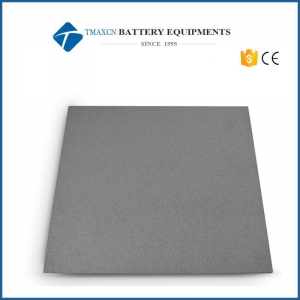
Stainless steel foam is an advanced porous metallic material that combines the excellent mechanical properties of stainless steel with a threedimensional interconnected pore structure. Owing to its high porosity, corrosion resistance, thermal stability, and outstanding permeability, stainless steel foam has become an important material in filtration, energy storage, catalyst support, heat exchange, aerospace, and chemical processing industries.
Unlike conventional stainless steel sheets or wire mesh, stainless steel foam features a lightweight yet rigid structure that allows fluids and gases to pass through while maintaining high strength and durability. With continuous advancements in powder metallurgy and additive manufacturing technologies, stainless steel foam is increasingly being used in demanding industrial environments where traditional porous materials cannot meet performance requirements.
What Is Stainless Steel Foam?
Stainless steel foam is a highly porous metallic material manufactured by creating a network of interconnected pores within a stainless steel matrix. The porosity typically ranges from 50% to 98%, depending on the intended application and manufacturing process.
The material is commonly produced using stainless steel alloys such as:
Stainless Steel 304
Stainless Steel 304L
Stainless Steel 316
Stainless Steel 316L
Stainless Steel 310
Duplex Stainless Steel
The interconnected pore structure allows liquids and gases to flow efficiently through the material while providing excellent mechanical support and large surface area. As a result, stainless steel foam is widely used in applications requiring filtration, heat transfer, fluid distribution, sound absorption, and electrochemical reactions.
Key Characteristics
Highquality stainless steel foam offers a unique combination of physical, chemical, and mechanical properties that distinguish it from conventional porous materials.
Excellent Corrosion Resistance
The chromiumrich passive oxide layer naturally formed on stainless steel protects the foam from corrosion in humid, acidic, alkaline, and marine environments. Grades such as 316L provide enhanced resistance to chlorides and aggressive chemicals.
High Porosity
The opencell structure provides exceptional permeability while maintaining structural integrity. The high porosity also increases the available surface area, making stainless steel foam ideal for catalytic and electrochemical applications.
Superior Mechanical Strength
Despite its lightweight structure, stainless steel foam retains excellent compressive strength and impact resistance. It can withstand continuous mechanical loading without significant deformation.
Outstanding Thermal Stability
Stainless steel foam maintains its mechanical properties at elevated temperatures, allowing it to operate reliably in hightemperature industrial processes, exhaust systems, and heat exchangers.
Excellent Permeability
The interconnected pores enable efficient gas and liquid flow with relatively low pressure drop, making the material highly suitable for filtration and fluid distribution systems.
Good Electrical Conductivity
As a metallic material, stainless steel foam possesses excellent electrical conductivity, making it suitable for electrodes, current collectors, and battery components.
Manufacturing Process
The production of stainless steel foam involves several sophisticated manufacturing techniques designed to create a controlled porous structure.
1. Raw Material Preparation
Highpurity stainless steel powder is selected based on the required alloy composition, particle size distribution, and final application.
2. Foam Formation
Several manufacturing methods can be used to produce stainless steel foam, including:
Powder metallurgy
Spaceholder sintering
Slurry coating
Replication techniques using polymer templates
Additive manufacturing (3D printing)
Each method allows precise control over pore size, porosity, and mechanical performance.
3. Sintering
The formed structure is heated in a controlled atmosphere furnace at high temperatures. During sintering, adjacent metal particles bond together while preserving the porous architecture.
4. Surface Treatment
After sintering, the foam may undergo cleaning, passivation, polishing, or chemical treatment to improve corrosion resistance and surface cleanliness.
5. Quality Inspection
Finished products are inspected for porosity, pore distribution, permeability, compressive strength, dimensional accuracy, and surface quality to ensure compliance with industrial specifications.
Major Applications
The outstanding combination of permeability, durability, and corrosion resistance makes stainless steel foam suitable for numerous advanced industrial applications.
Industrial Filtration
One of the primary applications of stainless steel foam is the filtration of liquids and gases. Its interconnected pore structure effectively removes contaminants while maintaining high flow rates and long service life.
Battery and Energy Storage
Stainless steel foam serves as a conductive substrate and current collector in advanced batteries, fuel cells, and supercapacitors. Its large surface area improves electrochemical performance and enhances energy efficiency.
Catalyst Support
Chemical processing industries use stainless steel foam as a catalyst carrier because its porous structure maximizes catalyst loading while promoting efficient mass transfer and heat distribution.
Heat Exchange Systems
The large internal surface area significantly improves heat transfer efficiency, making stainless steel foam valuable in compact heat exchangers, thermal management systems, and cooling devices.
Aerospace and Automotive Industries
Lightweight stainless steel foam is increasingly used in aerospace and automotive applications for vibration damping, sound absorption, thermal insulation, and lightweight structural components.
Environmental Protection
Water treatment systems, air purification equipment, and emission control technologies utilize stainless steel foam for filtration, pollutant removal, and gas distribution.
Biomedical Engineering
Certain grades of stainless steel foam are used in medical research, orthopedic implants, and tissue engineering because of their porous structure and mechanical compatibility with biological materials.
Advantages of Stainless Steel Foam
Compared with conventional porous materials such as ceramic filters, polymer foams, or woven metal meshes, stainless steel foam offers several important advantages.
Long Service Life
Its excellent corrosion resistance and mechanical durability enable reliable longterm operation even under harsh industrial conditions.
High Filtration Efficiency
The interconnected pore network provides excellent particle capture while maintaining low pressure loss and stable flow performance.
Large Specific Surface Area
The extensive internal surface enhances catalytic reactions, electrochemical processes, and heat transfer efficiency.
Lightweight Structure
High porosity significantly reduces material weight while preserving mechanical strength, making stainless steel foam ideal for applications requiring weight reduction.
Excellent Thermal Resistance
Unlike many polymerbased porous materials, stainless steel foam maintains stable performance under hightemperature operating conditions.
Easy Cleaning and Reusability
The durable metallic structure allows repeated cleaning through chemical washing, ultrasonic cleaning, or backflushing, reducing maintenance costs and extending product lifespan.
Future Development Trends
As industries pursue higher efficiency and sustainability, stainless steel foam is expected to play an increasingly important role in advanced manufacturing. Ongoing research focuses on improving pore uniformity, increasing mechanical strength, and optimizing permeability for specialized applications. Innovations in additive manufacturing and precision powder metallurgy are also enabling the production of customized stainless steel foam with complex geometries and applicationspecific properties.
Emerging sectors such as hydrogen energy, carbon capture, lithiumion batteries, fuel cells, semiconductor manufacturing, and advanced thermal management are driving demand for highperformance porous metal materials. These trends are likely to expand the adoption of stainless steel foam across both industrial and research applications.
Conclusion
Stainless steel foam is a versatile and highperformance porous material that combines excellent corrosion resistance, mechanical strength, thermal stability, and permeability within a lightweight threedimensional structure. Its unique characteristics make it an ideal solution for filtration, catalyst support, heat exchange, energy storage, aerospace engineering, and environmental protection.
Manufactured through advanced processes such as powder metallurgy, replication techniques, and precision sintering, stainless steel foam delivers reliable performance in demanding operating environments. As modern industries continue to seek materials with higher efficiency, durability, and multifunctionality, stainless steel foam is expected to remain an essential component in nextgeneration engineering and industrial technologies.
- 2026-07-14
Xiamen Tmax Battery Equipments Limited was set up as a manufacturer in 1995, dealing with lithium battery equipments, technology, etc. We have total manufacturing facilities of around 200000 square foot and more than 230 staff. Owning a group of experie-nced engineers and staffs, we can bring you not only reliable products and technology, but also excellent services and real value you will expect and enjoy.
Stainless Steel Foam: An Advanced Porous Material for HighPerformance Industrial Applications
Introduction
Stainless steel foam is an advanced porous metallic material that combines the excellent mechanical properties of stainless steel with a threedimensional interconnected pore structure. Owing to its high porosity, corrosion resistance, thermal stability, and outstanding permeability, stainless steel foam has become an important material in filtration, energy storage, catalyst support, heat exchange, aerospace, and chemical processing industries.
Unlike conventional stainless steel sheets or wire mesh, stainless steel foam features a lightweight yet rigid structure that allows fluids and gases to pass through while maintaining high strength and durability. With continuous advancements in powder metallurgy and additive manufacturing technologies, stainless steel foam is increasingly being used in demanding industrial environments where traditional porous materials cannot meet performance requirements.
What Is Stainless Steel Foam?
Stainless steel foam is a highly porous metallic material manufactured by creating a network of interconnected pores within a stainless steel matrix. The porosity typically ranges from 50% to 98%, depending on the intended application and manufacturing process.
The material is commonly produced using stainless steel alloys such as:
Stainless Steel 304
Stainless Steel 304L
Stainless Steel 316
Stainless Steel 316L
Stainless Steel 310
Duplex Stainless Steel
The interconnected pore structure allows liquids and gases to flow efficiently through the material while providing excellent mechanical support and large surface area. As a result, stainless steel foam is widely used in applications requiring filtration, heat transfer, fluid distribution, sound absorption, and electrochemical reactions.
Key Characteristics
Highquality stainless steel foam offers a unique combination of physical, chemical, and mechanical properties that distinguish it from conventional porous materials.
Excellent Corrosion Resistance
The chromiumrich passive oxide layer naturally formed on stainless steel protects the foam from corrosion in humid, acidic, alkaline, and marine environments. Grades such as 316L provide enhanced resistance to chlorides and aggressive chemicals.
High Porosity
The opencell structure provides exceptional permeability while maintaining structural integrity. The high porosity also increases the available surface area, making stainless steel foam ideal for catalytic and electrochemical applications.
Superior Mechanical Strength
Despite its lightweight structure, stainless steel foam retains excellent compressive strength and impact resistance. It can withstand continuous mechanical loading without significant deformation.
Outstanding Thermal Stability
Stainless steel foam maintains its mechanical properties at elevated temperatures, allowing it to operate reliably in hightemperature industrial processes, exhaust systems, and heat exchangers.
Excellent Permeability
The interconnected pores enable efficient gas and liquid flow with relatively low pressure drop, making the material highly suitable for filtration and fluid distribution systems.
Good Electrical Conductivity
As a metallic material, stainless steel foam possesses excellent electrical conductivity, making it suitable for electrodes, current collectors, and battery components.
Manufacturing Process
The production of stainless steel foam involves several sophisticated manufacturing techniques designed to create a controlled porous structure.
1. Raw Material Preparation
Highpurity stainless steel powder is selected based on the required alloy composition, particle size distribution, and final application.
2. Foam Formation
Several manufacturing methods can be used to produce stainless steel foam, including:
Powder metallurgy
Spaceholder sintering
Slurry coating
Replication techniques using polymer templates
Additive manufacturing (3D printing)
Each method allows precise control over pore size, porosity, and mechanical performance.
3. Sintering
The formed structure is heated in a controlled atmosphere furnace at high temperatures. During sintering, adjacent metal particles bond together while preserving the porous architecture.
4. Surface Treatment
After sintering, the foam may undergo cleaning, passivation, polishing, or chemical treatment to improve corrosion resistance and surface cleanliness.
5. Quality Inspection
Finished products are inspected for porosity, pore distribution, permeability, compressive strength, dimensional accuracy, and surface quality to ensure compliance with industrial specifications.
Major Applications
The outstanding combination of permeability, durability, and corrosion resistance makes stainless steel foam suitable for numerous advanced industrial applications.
Industrial Filtration
One of the primary applications of stainless steel foam is the filtration of liquids and gases. Its interconnected pore structure effectively removes contaminants while maintaining high flow rates and long service life.
Battery and Energy Storage
Stainless steel foam serves as a conductive substrate and current collector in advanced batteries, fuel cells, and supercapacitors. Its large surface area improves electrochemical performance and enhances energy efficiency.
Catalyst Support
Chemical processing industries use stainless steel foam as a catalyst carrier because its porous structure maximizes catalyst loading while promoting efficient mass transfer and heat distribution.
Heat Exchange Systems
The large internal surface area significantly improves heat transfer efficiency, making stainless steel foam valuable in compact heat exchangers, thermal management systems, and cooling devices.
Aerospace and Automotive Industries
Lightweight stainless steel foam is increasingly used in aerospace and automotive applications for vibration damping, sound absorption, thermal insulation, and lightweight structural components.
Environmental Protection
Water treatment systems, air purification equipment, and emission control technologies utilize stainless steel foam for filtration, pollutant removal, and gas distribution.
Biomedical Engineering
Certain grades of stainless steel foam are used in medical research, orthopedic implants, and tissue engineering because of their porous structure and mechanical compatibility with biological materials.
Advantages of Stainless Steel Foam
Compared with conventional porous materials such as ceramic filters, polymer foams, or woven metal meshes, stainless steel foam offers several important advantages.
Long Service Life
Its excellent corrosion resistance and mechanical durability enable reliable longterm operation even under harsh industrial conditions.
High Filtration Efficiency
The interconnected pore network provides excellent particle capture while maintaining low pressure loss and stable flow performance.
Large Specific Surface Area
The extensive internal surface enhances catalytic reactions, electrochemical processes, and heat transfer efficiency.
Lightweight Structure
High porosity significantly reduces material weight while preserving mechanical strength, making stainless steel foam ideal for applications requiring weight reduction.
Excellent Thermal Resistance
Unlike many polymerbased porous materials, stainless steel foam maintains stable performance under hightemperature operating conditions.
Easy Cleaning and Reusability
The durable metallic structure allows repeated cleaning through chemical washing, ultrasonic cleaning, or backflushing, reducing maintenance costs and extending product lifespan.
Future Development Trends
As industries pursue higher efficiency and sustainability, stainless steel foam is expected to play an increasingly important role in advanced manufacturing. Ongoing research focuses on improving pore uniformity, increasing mechanical strength, and optimizing permeability for specialized applications. Innovations in additive manufacturing and precision powder metallurgy are also enabling the production of customized stainless steel foam with complex geometries and applicationspecific properties.
Emerging sectors such as hydrogen energy, carbon capture, lithiumion batteries, fuel cells, semiconductor manufacturing, and advanced thermal management are driving demand for highperformance porous metal materials. These trends are likely to expand the adoption of stainless steel foam across both industrial and research applications.
Conclusion
Stainless steel foam is a versatile and highperformance porous material that combines excellent corrosion resistance, mechanical strength, thermal stability, and permeability within a lightweight threedimensional structure. Its unique characteristics make it an ideal solution for filtration, catalyst support, heat exchange, energy storage, aerospace engineering, and environmental protection.
Manufactured through advanced processes such as powder metallurgy, replication techniques, and precision sintering, stainless steel foam delivers reliable performance in demanding operating environments. As modern industries continue to seek materials with higher efficiency, durability, and multifunctionality, stainless steel foam is expected to remain an essential component in nextgeneration engineering and industrial technologies.
HOT PRODUCTS
-
 Automatic Cylinderical Battery Electrode Winding Machine
Read More
Automatic Cylinderical Battery Electrode Winding Machine
Read More
-
 100-200L Double Planetary Vacuum Mixing Machine for Lithium Battery Slurry
Read More
100-200L Double Planetary Vacuum Mixing Machine for Lithium Battery Slurry
Read More
-
 Large Heating Roller Press Machine Calender For Li ion Battery Production Line
Read More
Large Heating Roller Press Machine Calender For Li ion Battery Production Line
Read More
-
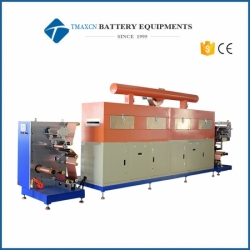 Large 3 Rollers Battery Electrode Film Intermittent Coating Machine for Pilot Production Line
Read More
Large 3 Rollers Battery Electrode Film Intermittent Coating Machine for Pilot Production Line
Read More
-
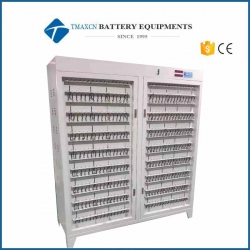 512 Channel 5V3A Battery Grading Machine/Battery Charge Discharge Machine Tester
Read More
512 Channel 5V3A Battery Grading Machine/Battery Charge Discharge Machine Tester
Read More
 David@battery-equipments.com

