 English▼



- Battery Manufacturing Equipment
- Battery Laboratory Assembly Equipment
- Battery Pack Assembly Equipment
- Sodium Ion Battery Manufacturing Equipment
- Solid State Cell Production Line
- Dry Electrode Assembly Equipment
- Supercapacitor Assembly Equipment
- Perovskite Solar Cell Lab Equipment
- Li ion Battery Materials
- Ni / Al / Cu Metal Foam
- Customized Electrode
- Cathode Active Materials
- Anode Active Materials
- Coin Cell Parts
- Lithium Chip
- Cylindrical Cell Parts
- Battery Current Collectors
- Battery Conductive Materials
- Electrolyte
- Battery Binder
- Separator and Tape
- Aluminum Laminate Film
- Nickel Strip/Foil
- Battery Tabs
- Graphene Materials
- Cu / Al / Ni / Stainless steel Foil
- Battery Laboratory Equipment
- Li ion Battery Tester
- Battery Safety Tester
- Material Characterization Tester
- Rolling Press Machine
- Electrode Mixer
- Coin Cell Crimping Machine
- Coin Cell Electrode Disc Punching
- Pouch Cell Sealing Machine
- Pouch Cell Stacking Machine
- Pouch Cell Forming Machine
- Pouch Cell Ultrasonic Welder
- Pouch Cell Electrode Die Cutter
- Cylinder Cell Sealing Machine
- Cylinder Cell Grooving Machine
- Electrode Slitting Machine
- Cylinder Cell Winding Machine
- Cylinder Cell Spot Welding Machine
- Electrolyte Filling
- Type Test Cell
- Other Battery Making Machine
- NMP Solvent Treatment System
- Vacuum Glove Box
- Coating Machine
- Lab Furnaces
- Ball Mill
- Laboratory Press
- Laboratory Equipment
- Press Equipment
blog
Battery Burning Tester
A Battery Burning Tester is a specialized device designed to evaluate the safety of batteries under extreme conditions by simulating combustion or thermal runaway scenarios. This tester helps manufacturers assess how batteries behave when exposed to high temperatures or ignition sources, ensuring compliance with safety standards and improving overall product reliability. Below is a detailed overview of battery burning testers, their design, applications, innovations, challenges, and best practices.
●1. Overview of Battery Burning Testers
Battery burning testers are used to simulate conditions where a battery might catch fire or undergo thermal runaway due to internal short circuits, external heat sources, or mechanical damage. These tests help manufacturers identify potential failure modes and ensure that batteries remain safe even in hazardous situations.
Key features:
Controlled ignition or heating mechanisms.
Safety enclosures to contain flames, smoke, and toxic gases.
Realtime monitoring of temperature, flame behavior, and gas emissions.
●2. Components of a Battery Burning Tester
A. Ignition Mechanism
A controlled heat source (e.g., open flame, electrical heaters, or infrared radiation) to initiate combustion or thermal runaway.
Adjustable parameters such as ignition duration, intensity, and proximity to the battery.
B. Safety Enclosure
A robust chamber designed to contain flames, smoke, and hazardous gases during testing.
Equipped with pressure relief vents, fire suppression systems, and gas detection sensors.
C. Data Acquisition System
Sensors to measure key parameters such as temperature, flame height, gas emissions, and battery response.
Realtime data logging and analysis capabilities.
D. Control System
Programmable interface for setting test parameters (e.g., ignition method, dwell time).
Automated operation to reduce human error and improve repeatability.
●3. Applications of Battery Burning Testers
A. Safety Testing
Evaluate the risk of fire or explosion under extreme conditions.
Ensure compliance with regulatory standards (e.g., UN 38.3, IEC 62133).
B. Product Development
Assess the performance of new battery designs, chemistries, and safety features under combustion scenarios.
Optimize materials and structures to enhance durability and safety.
C. Quality Assurance
Verify that production batches meet required safety and performance specifications.
Identify manufacturing defects that could compromise safety.
●4. Innovations in Battery Burning Testers
A. Advanced Materials
Use of lightweight yet strong materials for the ignition mechanism and safety enclosure.
Corrosionresistant coatings to extend the lifespan of the tester.
B. Automation and Remote Operation
Fully automated systems reduce human intervention and improve testing efficiency.
Remote operation allows operators to conduct tests from a safe distance.
C. MultiParameter Monitoring
Simultaneous measurement of temperature, flame characteristics, gas emissions, and battery response for comprehensive analysis.
Integration with AIdriven algorithms for predictive failure analysis.
D. EcoFriendly Designs
Energyefficient heating mechanisms and recyclable components reduce environmental impact.
Improved containment systems minimize waste and hazardous material exposure.
A. Safety
Handling highenergy batteries during combustion tests poses risks of fire, explosion, or toxic gas release.
Ensuring proper containment and ventilation is essential for operator safety.
B. Equipment Calibration
Regular calibration is necessary to ensure accurate and consistent results.
Calibration procedures can be timeconsuming and costly.
C. Standardization
Compliance with multiple international testing standards (e.g., UN 38.3, IEC 62133) can be challenging due to varying requirements.
●6. Best Practices for Using Battery Burning Testers
A. Adherence to Standards
Follow established testing protocols to ensure validity and comparability of results.
Stay updated on evolving regulations and industry standards.
B. Safety Protocols
Conduct thorough risk assessments before each test.
Use personal protective equipment (PPE) when handling batteries and operating the tester.
Train personnel on emergency procedures and equipment usage.
C. Equipment Maintenance
Perform routine inspections and maintenance to identify and address issues early.
Replace wornout components promptly to avoid malfunctions.
D. Documentation
Maintain detailed records of test parameters, results, and observations.
Use standardized reporting formats for easy analysis and comparison.
●7. Importance of Battery Burning Testers
Battery burning testers are critical for ensuring the safety and reliability of batteries in various applications, including electric vehicles (EVs), consumer electronics, and energy storage systems. By simulating combustion scenarios and containing potential hazards, these testers help manufacturers identify and mitigate risks, ultimately leading to safer and more robust products.
●8. Conclusion
Effective use of battery burning testers requires a combination of advanced technology, precise testing protocols, and stringent safety measures. By addressing challenges such as safety, calibration, and standardization, and adopting innovations like automation and multiparameter monitoring, manufacturers can produce safer and more reliable batteries.
- 2025-10-21
Xiamen Tmax Battery Equipments Limited was set up as a manufacturer in 1995, dealing with lithium battery equipments, technology, etc. We have total manufacturing facilities of around 200000 square foot and more than 230 staff. Owning a group of experie-nced engineers and staffs, we can bring you not only reliable products and technology, but also excellent services and real value you will expect and enjoy.
A Battery Burning Tester is a specialized device designed to evaluate the safety of batteries under extreme conditions by simulating combustion or thermal runaway scenarios. This tester helps manufacturers assess how batteries behave when exposed to high temperatures or ignition sources, ensuring compliance with safety standards and improving overall product reliability. Below is a detailed overview of battery burning testers, their design, applications, innovations, challenges, and best practices.
●1. Overview of Battery Burning Testers
Battery burning testers are used to simulate conditions where a battery might catch fire or undergo thermal runaway due to internal short circuits, external heat sources, or mechanical damage. These tests help manufacturers identify potential failure modes and ensure that batteries remain safe even in hazardous situations.
Key features:
Controlled ignition or heating mechanisms.
Safety enclosures to contain flames, smoke, and toxic gases.
Realtime monitoring of temperature, flame behavior, and gas emissions.
●2. Components of a Battery Burning Tester
A. Ignition Mechanism
A controlled heat source (e.g., open flame, electrical heaters, or infrared radiation) to initiate combustion or thermal runaway.
Adjustable parameters such as ignition duration, intensity, and proximity to the battery.
B. Safety Enclosure
A robust chamber designed to contain flames, smoke, and hazardous gases during testing.
Equipped with pressure relief vents, fire suppression systems, and gas detection sensors.
C. Data Acquisition System
Sensors to measure key parameters such as temperature, flame height, gas emissions, and battery response.
Realtime data logging and analysis capabilities.
D. Control System
Programmable interface for setting test parameters (e.g., ignition method, dwell time).
Automated operation to reduce human error and improve repeatability.
●3. Applications of Battery Burning Testers
A. Safety Testing
Evaluate the risk of fire or explosion under extreme conditions.
Ensure compliance with regulatory standards (e.g., UN 38.3, IEC 62133).
B. Product Development
Assess the performance of new battery designs, chemistries, and safety features under combustion scenarios.
Optimize materials and structures to enhance durability and safety.
C. Quality Assurance
Verify that production batches meet required safety and performance specifications.
Identify manufacturing defects that could compromise safety.
●4. Innovations in Battery Burning Testers
A. Advanced Materials
Use of lightweight yet strong materials for the ignition mechanism and safety enclosure.
Corrosionresistant coatings to extend the lifespan of the tester.
B. Automation and Remote Operation
Fully automated systems reduce human intervention and improve testing efficiency.
Remote operation allows operators to conduct tests from a safe distance.
C. MultiParameter Monitoring
Simultaneous measurement of temperature, flame characteristics, gas emissions, and battery response for comprehensive analysis.
Integration with AIdriven algorithms for predictive failure analysis.
D. EcoFriendly Designs
Energyefficient heating mechanisms and recyclable components reduce environmental impact.
Improved containment systems minimize waste and hazardous material exposure.
Battery Flame Resistance Tester
A. Safety
Handling highenergy batteries during combustion tests poses risks of fire, explosion, or toxic gas release.
Ensuring proper containment and ventilation is essential for operator safety.
B. Equipment Calibration
Regular calibration is necessary to ensure accurate and consistent results.
Calibration procedures can be timeconsuming and costly.
C. Standardization
Compliance with multiple international testing standards (e.g., UN 38.3, IEC 62133) can be challenging due to varying requirements.
●6. Best Practices for Using Battery Burning Testers
A. Adherence to Standards
Follow established testing protocols to ensure validity and comparability of results.
Stay updated on evolving regulations and industry standards.
B. Safety Protocols
Conduct thorough risk assessments before each test.
Use personal protective equipment (PPE) when handling batteries and operating the tester.
Train personnel on emergency procedures and equipment usage.
C. Equipment Maintenance
Perform routine inspections and maintenance to identify and address issues early.
Replace wornout components promptly to avoid malfunctions.
D. Documentation
Maintain detailed records of test parameters, results, and observations.
Use standardized reporting formats for easy analysis and comparison.
●7. Importance of Battery Burning Testers
Battery burning testers are critical for ensuring the safety and reliability of batteries in various applications, including electric vehicles (EVs), consumer electronics, and energy storage systems. By simulating combustion scenarios and containing potential hazards, these testers help manufacturers identify and mitigate risks, ultimately leading to safer and more robust products.
●8. Conclusion
Effective use of battery burning testers requires a combination of advanced technology, precise testing protocols, and stringent safety measures. By addressing challenges such as safety, calibration, and standardization, and adopting innovations like automation and multiparameter monitoring, manufacturers can produce safer and more reliable batteries.
If you're involved in designing, operating, or improving battery burning testers, consider factors such as equipment selection, process optimization, and technological advancements. For further details or assistance, feel free to ask!
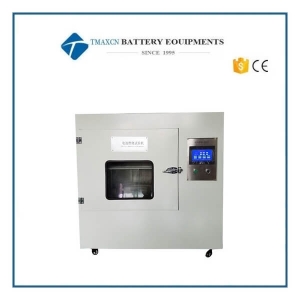
HOT PRODUCTS
-
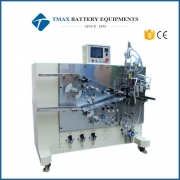 Automatic Cylinderical Battery Electrode Winding Machine
Read More
Automatic Cylinderical Battery Electrode Winding Machine
Read More
-
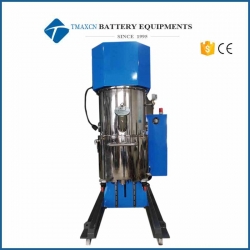 100-200L Double Planetary Vacuum Mixing Machine for Lithium Battery Slurry
Read More
100-200L Double Planetary Vacuum Mixing Machine for Lithium Battery Slurry
Read More
-
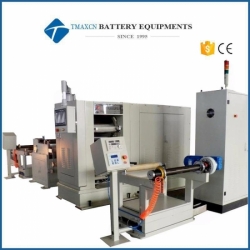 Large Heating Roller Press Machine Calender For Li ion Battery Production Line
Read More
Large Heating Roller Press Machine Calender For Li ion Battery Production Line
Read More
-
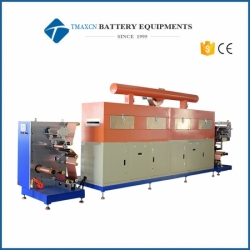 Large 3 Rollers Battery Electrode Film Intermittent Coating Machine for Pilot Production Line
Read More
Large 3 Rollers Battery Electrode Film Intermittent Coating Machine for Pilot Production Line
Read More
-
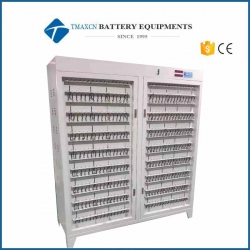 512 Channel 5V3A Battery Grading Machine/Battery Charge Discharge Machine Tester
Read More
512 Channel 5V3A Battery Grading Machine/Battery Charge Discharge Machine Tester
Read More
 David@battery-equipments.com

