 English▼



- Battery Manufacturing Equipment
- Battery Laboratory Assembly Equipment
- Battery Pack Assembly Equipment
- Sodium Ion Battery Manufacturing Equipment
- Solid State Cell Production Line
- Dry Electrode Assembly Equipment
- Supercapacitor Assembly Equipment
- Perovskite Solar Cell Lab Equipment
- Li ion Battery Materials
- Ni / Al / Cu Metal Foam
- Customized Electrode
- Cathode Active Materials
- Anode Active Materials
- Coin Cell Parts
- Lithium Chip
- Cylindrical Cell Parts
- Battery Current Collectors
- Battery Conductive Materials
- Electrolyte
- Battery Binder
- Separator and Tape
- Aluminum Laminate Film
- Nickel Strip/Foil
- Battery Tabs
- Graphene Materials
- Cu / Al / Ni / Stainless steel Foil
- Battery Laboratory Equipment
- Li ion Battery Tester
- Battery Safety Tester
- Material Characterization Tester
- Rolling Press Machine
- Electrode Mixer
- Coin Cell Crimping Machine
- Coin Cell Electrode Disc Punching
- Pouch Cell Sealing Machine
- Pouch Cell Stacking Machine
- Pouch Cell Forming Machine
- Pouch Cell Ultrasonic Welder
- Pouch Cell Electrode Die Cutter
- Cylinder Cell Sealing Machine
- Cylinder Cell Grooving Machine
- Electrode Slitting Machine
- Cylinder Cell Winding Machine
- Cylinder Cell Spot Welding Machine
- Electrolyte Filling
- Type Test Cell
- Other Battery Making Machine
- NMP Solvent Treatment System
- Vacuum Glove Box
- Coating Machine
- Lab Furnaces
- Ball Mill
- Laboratory Press
- Laboratory Equipment
- Press Equipment
blog
Coin Cell Case
Overview
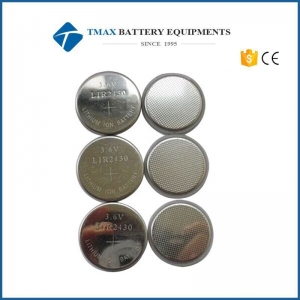
A coin cell case is a compact, cylindrical or disc-shaped housing designed to encase small-scale batteries, commonly known as coin cells or button cells. These cases serve as critical components in laboratory experiments, prototype testing, and small-scale energy storage applications. Typically constructed from metals like stainless steel or nickel-plated alloys, and often incorporating insulating materials such as polymer gaskets, coin cell cases provide structural support, electrical connectivity, and chemical containment for the battery’s internal components.
Coin cell cases are widely used in experimental materials research, electrochemistry, and device prototyping. Their compact design allows for standardized testing of electrode materials, electrolytes, and separators under controlled conditions. In research settings, they enable rapid screening of new materials and electrochemical processes, providing reliable and reproducible data for battery performance studies.
Characteristics
Coin cell cases possess several features that make them suitable for experimental and practical battery applications:
1. Compact and Standardized Design
Designed in standardized sizes (e.g., CR2032, CR2025), coin cell cases ensure compatibility with battery testing equipment and provide consistent test conditions.
2. Electrical Conductivity
The metal casing serves as a current collector, providing stable electrical contact between electrodes and external testing circuits.
3. Chemical Resistance
Materials used for the case and sealing gaskets resist corrosion from electrolytes and other reactive battery components, ensuring long-term integrity.
4. Mechanical Strength
The rigid metal shell protects internal battery materials from deformation, shock, or short-circuiting during handling and testing.
5. Thermal Stability
High-quality coin cell cases can tolerate elevated temperatures during experimental cycling, material testing, or mild thermal stress conditions.
6. Ease of Assembly and Disassembly
Coin cell cases are designed for laboratory convenience, allowing repeated assembly, disassembly, and replacement of electrode or electrolyte materials for experimental studies.
Fabrication and Preparation
Coin cell cases are manufactured and prepared through precision mechanical and material processes:
1. Metal Forming
Stainless steel, nickel-plated steel, or aluminum sheets are stamped, pressed, and formed into the cylindrical or disc-shaped body and lid with high dimensional accuracy.
2. Insulating Layer Integration
Polymer gaskets or liners, often made from polypropylene or polyethylene, are added to prevent short-circuits and maintain chemical isolation between the electrodes and the case.
3. Surface Treatment
Metal surfaces are polished, plated, or passivated to improve conductivity, corrosion resistance, and compatibility with electrode materials.
4. Quality Control
Cases undergo rigorous inspection for dimensional consistency, sealing quality, and mechanical integrity to ensure reliability in battery testing and operation.
Coin cell cases are extensively used in experimental research, education, and small-scale energy devices:
* Battery Research and Development
Coin cell cases are widely used in laboratories for testing new cathode, anode, and electrolyte materials under controlled electrochemical conditions.
* Electrochemical Testing
They facilitate cycling experiments, charge/discharge characterization, and stability assessments of novel battery chemistries such as lithium-ion, sodium-ion, or solid-state systems.
* Energy Storage for Small Devices
Beyond research, coin cell cases are used in commercial button batteries for watches, medical devices, sensors, and IoT devices.
* Educational and Prototype Studies
Coin cells provide a safe, compact platform for student experiments, material evaluation, and proof-of-concept demonstrations in energy storage research.
Advantages
Coin cell cases offer several advantages that make them indispensable for both experimental and practical applications:
1. Standardization
Uniform sizes and designs enable consistent testing and data comparability across experiments and laboratories.
2. Structural Protection
Rigid metallic shells prevent short circuits, deformation, and mechanical damage to delicate internal components.
3. Electrical and Chemical Reliability
High conductivity and corrosion-resistant materials ensure stable electrical contact and chemical containment during prolonged testing.
4. Convenient Laboratory Use
Easy assembly and disassembly allow rapid material replacement and repeated experiments without compromising reliability.
5. Thermal and Mechanical Tolerance
Capable of withstanding moderate thermal cycling and mechanical stress during electrochemical studies.
6. Versatility
Compatible with a variety of battery chemistries and experimental designs, making coin cell cases suitable for broad research applications.
Conclusion
The coin cell case is a critical component in battery research, experimental materials studies, and small-scale energy storage devices. By providing structural support, electrical connectivity, and chemical isolation, these cases enable reliable testing of electrodes, electrolytes, and separators in controlled laboratory environments.
Their standardized dimensions, robust mechanical design, and chemical stability make coin cell cases indispensable for electrochemical research, prototype testing, and educational demonstrations. By facilitating reproducible, high-quality experimental data, coin cell cases play a pivotal role in advancing battery technology, materials development, and energy storage innovations.
- 2026-04-03
Xiamen Tmax Battery Equipments Limited was set up as a manufacturer in 1995, dealing with lithium battery equipments, technology, etc. We have total manufacturing facilities of around 200000 square foot and more than 230 staff. Owning a group of experie-nced engineers and staffs, we can bring you not only reliable products and technology, but also excellent services and real value you will expect and enjoy.
Coin Cell Case: Essential Component for Advanced Battery Research and Applications
Overview
A coin cell case is a compact, cylindrical or disc-shaped housing designed to encase small-scale batteries, commonly known as coin cells or button cells. These cases serve as critical components in laboratory experiments, prototype testing, and small-scale energy storage applications. Typically constructed from metals like stainless steel or nickel-plated alloys, and often incorporating insulating materials such as polymer gaskets, coin cell cases provide structural support, electrical connectivity, and chemical containment for the battery’s internal components.
Coin cell cases are widely used in experimental materials research, electrochemistry, and device prototyping. Their compact design allows for standardized testing of electrode materials, electrolytes, and separators under controlled conditions. In research settings, they enable rapid screening of new materials and electrochemical processes, providing reliable and reproducible data for battery performance studies.
Characteristics
Coin cell cases possess several features that make them suitable for experimental and practical battery applications:
1. Compact and Standardized Design
Designed in standardized sizes (e.g., CR2032, CR2025), coin cell cases ensure compatibility with battery testing equipment and provide consistent test conditions.
2. Electrical Conductivity
The metal casing serves as a current collector, providing stable electrical contact between electrodes and external testing circuits.
3. Chemical Resistance
Materials used for the case and sealing gaskets resist corrosion from electrolytes and other reactive battery components, ensuring long-term integrity.
4. Mechanical Strength
The rigid metal shell protects internal battery materials from deformation, shock, or short-circuiting during handling and testing.
5. Thermal Stability
High-quality coin cell cases can tolerate elevated temperatures during experimental cycling, material testing, or mild thermal stress conditions.
6. Ease of Assembly and Disassembly
Coin cell cases are designed for laboratory convenience, allowing repeated assembly, disassembly, and replacement of electrode or electrolyte materials for experimental studies.
Fabrication and Preparation
Coin cell cases are manufactured and prepared through precision mechanical and material processes:
1. Metal Forming
Stainless steel, nickel-plated steel, or aluminum sheets are stamped, pressed, and formed into the cylindrical or disc-shaped body and lid with high dimensional accuracy.
2. Insulating Layer Integration
Polymer gaskets or liners, often made from polypropylene or polyethylene, are added to prevent short-circuits and maintain chemical isolation between the electrodes and the case.
3. Surface Treatment
Metal surfaces are polished, plated, or passivated to improve conductivity, corrosion resistance, and compatibility with electrode materials.
4. Quality Control
Cases undergo rigorous inspection for dimensional consistency, sealing quality, and mechanical integrity to ensure reliability in battery testing and operation.
Coin cell cases are extensively used in experimental research, education, and small-scale energy devices:
* Battery Research and Development
Coin cell cases are widely used in laboratories for testing new cathode, anode, and electrolyte materials under controlled electrochemical conditions.
* Electrochemical Testing
They facilitate cycling experiments, charge/discharge characterization, and stability assessments of novel battery chemistries such as lithium-ion, sodium-ion, or solid-state systems.
* Energy Storage for Small Devices
Beyond research, coin cell cases are used in commercial button batteries for watches, medical devices, sensors, and IoT devices.
* Educational and Prototype Studies
Coin cells provide a safe, compact platform for student experiments, material evaluation, and proof-of-concept demonstrations in energy storage research.
Advantages
Coin cell cases offer several advantages that make them indispensable for both experimental and practical applications:
1. Standardization
Uniform sizes and designs enable consistent testing and data comparability across experiments and laboratories.
2. Structural Protection
Rigid metallic shells prevent short circuits, deformation, and mechanical damage to delicate internal components.
3. Electrical and Chemical Reliability
High conductivity and corrosion-resistant materials ensure stable electrical contact and chemical containment during prolonged testing.
4. Convenient Laboratory Use
Easy assembly and disassembly allow rapid material replacement and repeated experiments without compromising reliability.
5. Thermal and Mechanical Tolerance
Capable of withstanding moderate thermal cycling and mechanical stress during electrochemical studies.
6. Versatility
Compatible with a variety of battery chemistries and experimental designs, making coin cell cases suitable for broad research applications.
Conclusion
The coin cell case is a critical component in battery research, experimental materials studies, and small-scale energy storage devices. By providing structural support, electrical connectivity, and chemical isolation, these cases enable reliable testing of electrodes, electrolytes, and separators in controlled laboratory environments.
Their standardized dimensions, robust mechanical design, and chemical stability make coin cell cases indispensable for electrochemical research, prototype testing, and educational demonstrations. By facilitating reproducible, high-quality experimental data, coin cell cases play a pivotal role in advancing battery technology, materials development, and energy storage innovations.
HOT PRODUCTS
-
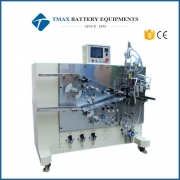 Automatic Cylinderical Battery Electrode Winding Machine
Read More
Automatic Cylinderical Battery Electrode Winding Machine
Read More
-
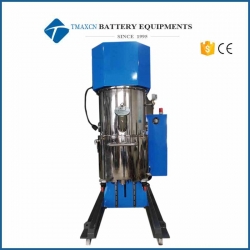 100-200L Double Planetary Vacuum Mixing Machine for Lithium Battery Slurry
Read More
100-200L Double Planetary Vacuum Mixing Machine for Lithium Battery Slurry
Read More
-
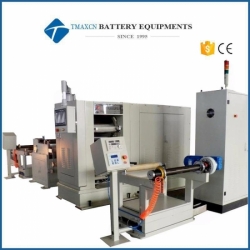 Large Heating Roller Press Machine Calender For Li ion Battery Production Line
Read More
Large Heating Roller Press Machine Calender For Li ion Battery Production Line
Read More
-
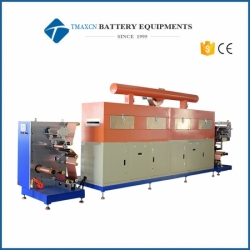 Large 3 Rollers Battery Electrode Film Intermittent Coating Machine for Pilot Production Line
Read More
Large 3 Rollers Battery Electrode Film Intermittent Coating Machine for Pilot Production Line
Read More
-
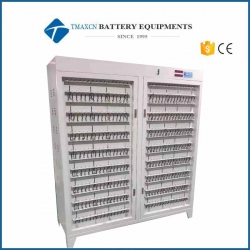 512 Channel 5V3A Battery Grading Machine/Battery Charge Discharge Machine Tester
Read More
512 Channel 5V3A Battery Grading Machine/Battery Charge Discharge Machine Tester
Read More
 David@battery-equipments.com

