 English▼



- Battery Manufacturing Equipment
- Battery Laboratory Assembly Equipment
- Battery Pack Assembly Equipment
- Sodium Ion Battery Manufacturing Equipment
- Solid State Cell Production Line
- Dry Electrode Assembly Equipment
- Supercapacitor Assembly Equipment
- Perovskite Solar Cell Lab Equipment
- Li ion Battery Materials
- Ni / Al / Cu Metal Foam
- Customized Electrode
- Cathode Active Materials
- Anode Active Materials
- Coin Cell Parts
- Lithium Chip
- Cylindrical Cell Parts
- Battery Current Collectors
- Battery Conductive Materials
- Electrolyte
- Battery Binder
- Separator and Tape
- Aluminum Laminate Film
- Nickel Strip/Foil
- Battery Tabs
- Graphene Materials
- Cu / Al / Ni / Stainless steel Foil
- Battery Laboratory Equipment
- Li ion Battery Tester
- Battery Safety Tester
- Material Characterization Tester
- Rolling Press Machine
- Electrode Mixer
- Coin Cell Crimping Machine
- Coin Cell Electrode Disc Punching
- Pouch Cell Sealing Machine
- Pouch Cell Stacking Machine
- Pouch Cell Forming Machine
- Pouch Cell Ultrasonic Welder
- Pouch Cell Electrode Die Cutter
- Cylinder Cell Sealing Machine
- Cylinder Cell Grooving Machine
- Electrode Slitting Machine
- Cylinder Cell Winding Machine
- Cylinder Cell Spot Welding Machine
- Electrolyte Filling
- Type Test Cell
- Other Battery Making Machine
- NMP Solvent Treatment System
- Vacuum Glove Box
- Coating Machine
- Lab Furnaces
- Ball Mill
- Laboratory Press
- Laboratory Equipment
- Press Equipment
blog
Film Applicator
- 2025-01-03
Film Applicator: Essential Tool for Precision Coating
A film applicator is a tool used to create uniform and consistent films of materials on various substrates. It is widely used in industries like coatings, paints, adhesives, electronics, and battery research to test and develop thin layers of materials.
---
● Types of Film Applicator Coater
1. Manual Film Applicators
- Description: Simple tools used for manually applying coatings.
- Features: Available in fixed-gap or adjustable designs.
- Applications: Ideal for small-scale tests and basic laboratory work.
2. Micrometer Adjustable Applicators
- Description: Allows precise control over film thickness.
- Features: Micrometer settings for gap adjustment, ensuring high accuracy.
- Applications: Common in R&D labs for battery slurries, paints, and advanced coatings.
3. Automatic Film Applicators
- Description: Motorized systems that automate the coating process.
- Features: Programmable settings for speed, pressure, and thickness.
- Applications: High-precision laboratories and industrial testing.
4. Specialized Film Applicators
- Description: Custom or industry-specific designs, such as reservoir applicators or spiral bar coaters.
- Features: Tailored for unique materials or substrates.
- Applications: Specialized processes in electronics, energy, or food industries.
---
● Key Applications
1. Battery Research
- Uniformly coating electrodes with slurries to optimize energy density and performance.
2. Paint and Coating Testing
- Developing and evaluating new formulations for color, texture, and durability.
3. Material Science
- Applying films for testing mechanical, chemical, or thermal properties.
4. Adhesive Industry
- Coating adhesives onto substrates for performance evaluation.
---
● Advantages of Using a Film Applicator
- Consistency: Produces uniform films, critical for accurate testing and analysis.
- Efficiency: Saves time and reduces material waste.
- Precision: Adjustable options allow for exact control over film thickness.
- Versatility: Suitable for a wide range of materials, including liquids, slurries, and gels.
---
● How to Choose a Film Applicator
When selecting a film applicator, consider:
- Material Type: Viscosity and drying properties of the material.
- Substrate: Size, shape, and material of the surface.
- Precision Requirements: Tolerance levels for thickness uniformity.
- Budget: From affordable manual options to premium automated systems.
---
Conclusion
Film applicators are indispensable tools in research and development, enabling precision and repeatability in coating applications. Whether for small-scale laboratory experiments or industrial production, choosing the right applicator ensures optimal results and efficiency. Let me know if you need assistance finding specific models or suppliers!
A film applicator is a tool used to create uniform and consistent films of materials on various substrates. It is widely used in industries like coatings, paints, adhesives, electronics, and battery research to test and develop thin layers of materials.
---
● Types of Film Applicator Coater
1. Manual Film Applicators
- Description: Simple tools used for manually applying coatings.
- Features: Available in fixed-gap or adjustable designs.
- Applications: Ideal for small-scale tests and basic laboratory work.
2. Micrometer Adjustable Applicators
- Description: Allows precise control over film thickness.
- Features: Micrometer settings for gap adjustment, ensuring high accuracy.
- Applications: Common in R&D labs for battery slurries, paints, and advanced coatings.
3. Automatic Film Applicators
- Description: Motorized systems that automate the coating process.
- Features: Programmable settings for speed, pressure, and thickness.
- Applications: High-precision laboratories and industrial testing.
4. Specialized Film Applicators
- Description: Custom or industry-specific designs, such as reservoir applicators or spiral bar coaters.
- Features: Tailored for unique materials or substrates.
- Applications: Specialized processes in electronics, energy, or food industries.
---
● Key Applications
1. Battery Research
- Uniformly coating electrodes with slurries to optimize energy density and performance.
2. Paint and Coating Testing
- Developing and evaluating new formulations for color, texture, and durability.
3. Material Science
- Applying films for testing mechanical, chemical, or thermal properties.
4. Adhesive Industry
- Coating adhesives onto substrates for performance evaluation.
---
● Advantages of Using a Film Applicator
- Consistency: Produces uniform films, critical for accurate testing and analysis.
- Efficiency: Saves time and reduces material waste.
- Precision: Adjustable options allow for exact control over film thickness.
- Versatility: Suitable for a wide range of materials, including liquids, slurries, and gels.
---
● How to Choose a Film Applicator
When selecting a film applicator, consider:
- Material Type: Viscosity and drying properties of the material.
- Substrate: Size, shape, and material of the surface.
- Precision Requirements: Tolerance levels for thickness uniformity.
- Budget: From affordable manual options to premium automated systems.
---
Conclusion
Film applicators are indispensable tools in research and development, enabling precision and repeatability in coating applications. Whether for small-scale laboratory experiments or industrial production, choosing the right applicator ensures optimal results and efficiency. Let me know if you need assistance finding specific models or suppliers!
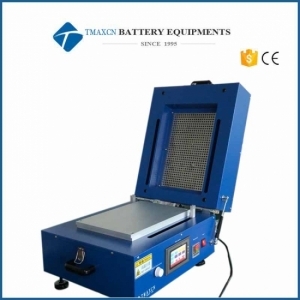
HOT PRODUCTS
-
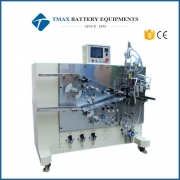 Automatic Cylinderical Battery Electrode Winding Machine
Read More
Automatic Cylinderical Battery Electrode Winding Machine
Read More
-
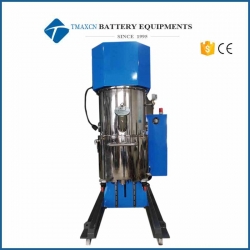 100-200L Double Planetary Vacuum Mixing Machine for Lithium Battery Slurry
Read More
100-200L Double Planetary Vacuum Mixing Machine for Lithium Battery Slurry
Read More
-
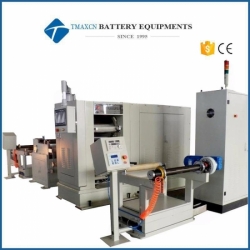 Large Heating Roller Press Machine Calender For Li ion Battery Production Line
Read More
Large Heating Roller Press Machine Calender For Li ion Battery Production Line
Read More
-
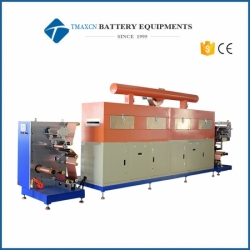 Large 3 Rollers Battery Electrode Film Intermittent Coating Machine for Pilot Production Line
Read More
Large 3 Rollers Battery Electrode Film Intermittent Coating Machine for Pilot Production Line
Read More
-
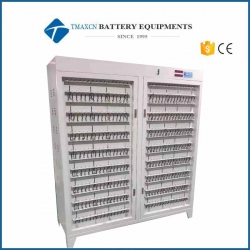 512 Channel 5V3A Battery Grading Machine/Battery Charge Discharge Machine Tester
Read More
512 Channel 5V3A Battery Grading Machine/Battery Charge Discharge Machine Tester
Read More
 David@battery-equipments.com

